
LiftMaster vs Chamberlain: Which Opener Is Best in 2026?
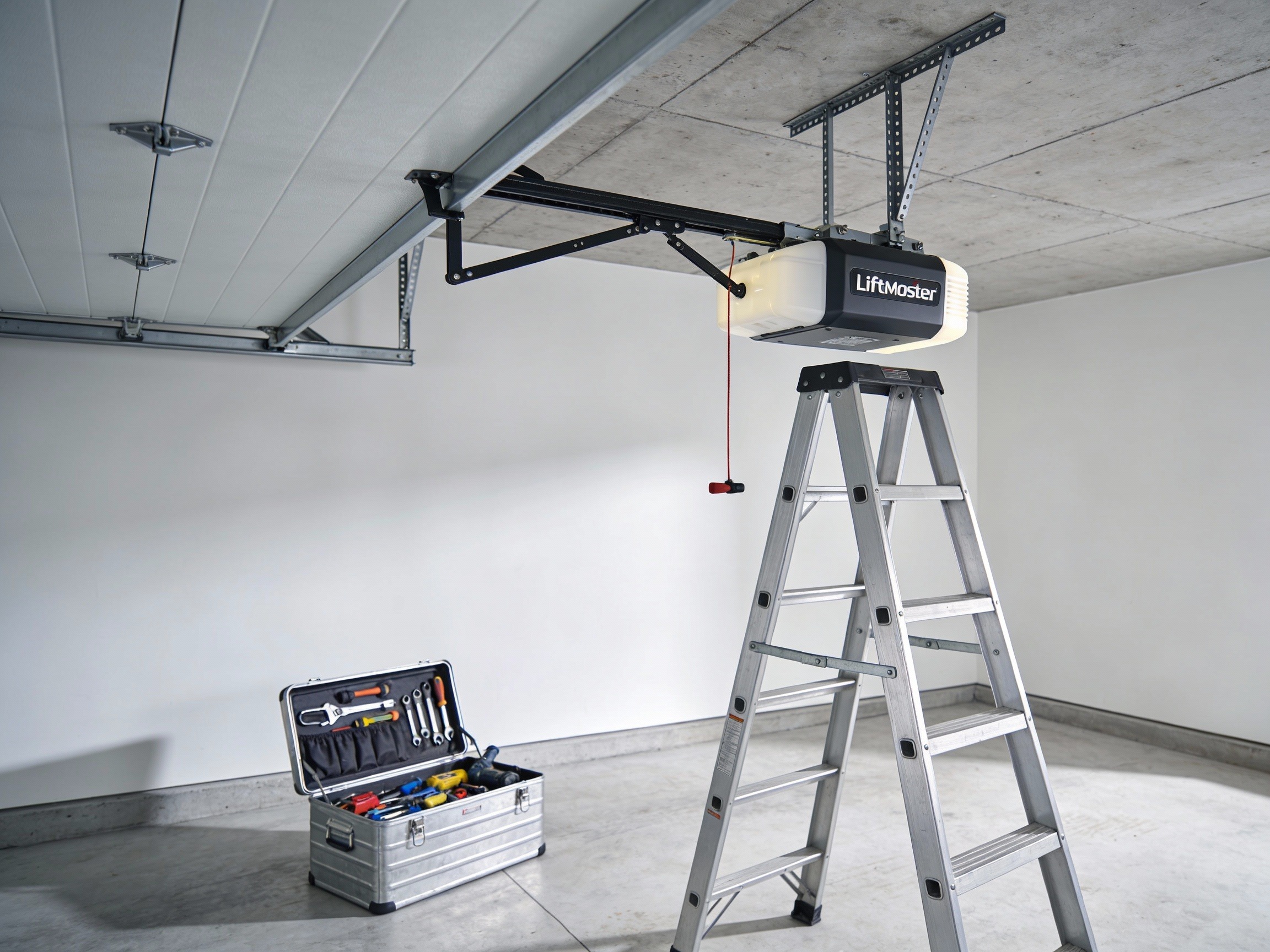
LiftMaster vs Chamberlain: Which Opener Is Best in 2026?
LiftMaster and Chamberlain share a corporate parent. Chamberlain Group identifies both brands and myQ within the same access ecosystem. The useful comparison is not which name is universally better, but how each opener is selected, sold, installed, supported, and matched to your door.
LiftMaster focuses on professionally installed solutions sold through dealers. Chamberlain is positioned for retail purchase. Buyers wanting one installer to specify the system may lean toward LiftMaster; those wanting to compare packaged models and control the installation path may prefer Chamberlain.

Quick verdict
Choose LiftMaster when dealer specification, installation, and local service are central to the purchase. Choose Chamberlain when you want a retail package and prefer to arrange installation yourself. Compare exact model numbers rather than assuming every LiftMaster exceeds every Chamberlain.
Both brands offer models with belt or chain drive, Wi-Fi, myQ control, battery backup, cameras, LED lighting, remotes, keypads, and wall controls. Bundles change, so treat these as model features, not brand promises. Start by estimating the door’s needs with this guide to garage door opener power selection.
| Decision point | LiftMaster | Chamberlain |
|---|---|---|
| Primary buying path | Dealer and professionally installed solution | Retail purchase with buyer-selected installation path |
| Best fit | Homeowners who value specification, installation, and service as one project | Homeowners who want direct model and bundle comparison |
| Smart platform | Many current models use the myQ ecosystem | Many current models use the myQ ecosystem |
| Price comparison | Often presented through a dealer quote that may include labor | Retail price may exclude installation and extra materials |
| Right way to compare | Match exact models, rail length, drive, power class, lighting, backup, accessories, warranty, and installed scope | |
Seven differences that matter
1. Dealer-installed versus retail-first
LiftMaster’s official homeowner page describes its products as professionally installed home access solutions and directs buyers to dealers. That route can simplify door assessment, model selection, installation, programming, and follow-up service. It is especially useful when the door is unusually heavy, tall, high-cycle, high-lift, or fitted in a difficult ceiling layout.
Chamberlain’s official site provides a retailer finder and organizes products for direct comparison. Retail access gives you more control over shopping and timing, but the box price is not the entire project. You may still need installation labor, an extension kit, reinforcement bracket, outlet work, new mounting hardware, or correction of an unbalanced door.
2. Installation scope and accountability
A dealer quote can make one company responsible for compatibility and setup. With a retail opener, the seller and installer may differ. Ask who supplies the rail, removes the old unit, installs photo-eyes, programs controls, connects Wi-Fi, and tests reversal.
Time also depends on the site. A straightforward replacement is different from a new installation with framing, power, or clearance work. See the detailed guide on how long garage door opener installation takes before scheduling the project.
3. Product range and exact-model features
Neither brand can be summarized by one motor, rail, or feature set. Each sells multiple configurations, and a premium Chamberlain can offer features missing from an entry LiftMaster, or the reverse. Compare the actual specification sheet and manual for the models available on your purchase date.
Useful fields include drive type, rated door size, extension-kit compatibility, battery backup, lighting output, integrated camera, included remotes, keypad, wall control, lock compatibility, and smart features. If power terminology feels confusing, the site’s separate explanation of garage door opener horsepower classes provides more context.