
Garage Door Installation Cost: What to Budget in 2026
SEO title: Garage Door Installation Cost: 2026 Price Guide
Meta description: Compare garage door installation costs by size, material, insulation, labor, removal, and opener options, plus questions to ask before hiring.
Focus keyword: cost for garage door installation
Planning a new garage door means budgeting for more than the door itself. The final cost for garage door installation can include the door, tracks and hardware, labor, removal and disposal of the old door, insulation, windows, weather seals, and an opener. Because sizes, site conditions, and local labor rates vary, online averages are best used as a starting point—not as a quote.
Typical garage door installation cost
As a national reference, Angi’s 2026 guide reports an average garage-door replacement cost of about $1,231, with prices varying by project. Its hiring guide gives a broader range for installation projects, reflecting differences in doors, size, and scope. Treat these figures as broad U.S. benchmarks. A custom wood door, oversized opening, high-wind-rated product, electrical work, or structural repair can move a project well beyond an average. Review Angi’s 2026 replacement-cost data and its garage door installer guide, then get written local estimates.
Ask each company to show the price for the door and hardware separately from labor, old-door removal, opener work, and optional upgrades. That makes competing quotes easier to compare and helps reveal exclusions.
What changes the price?
Door size and number of openings
A standard single-car door generally uses less material than a double-wide door. Two separate doors can cost differently from one wide door because each opening needs its own tracks, springs, seals, and installation labor. Measure the clear opening, headroom, side room, and backroom carefully; the door size alone does not confirm that a track system will fit.
Material and design
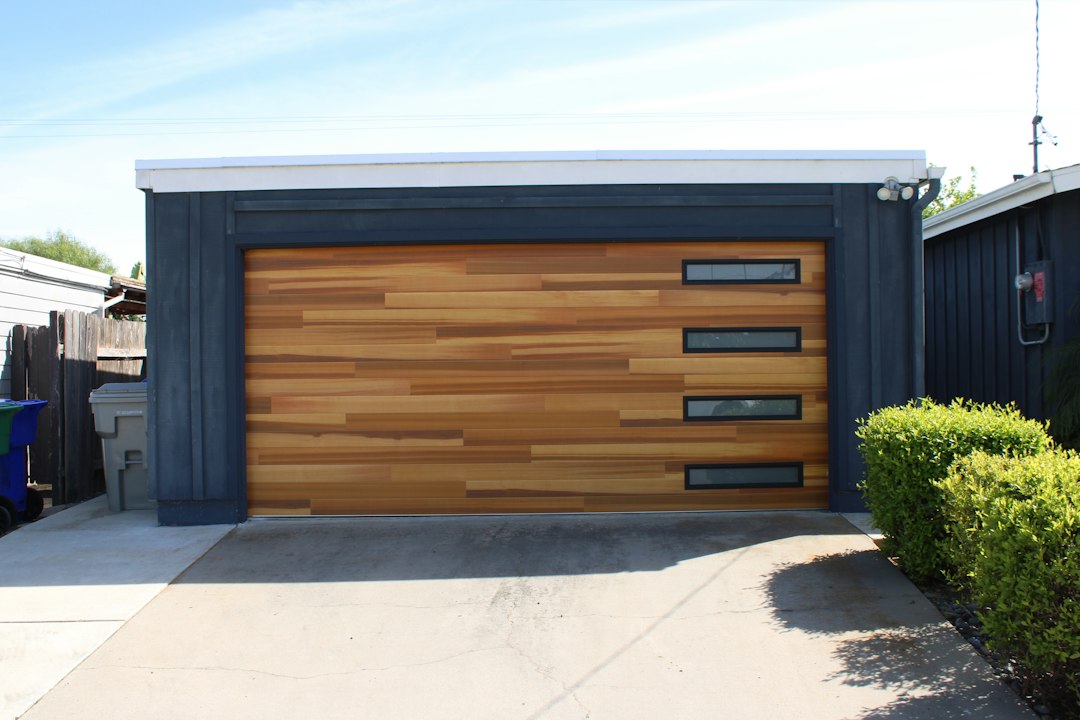
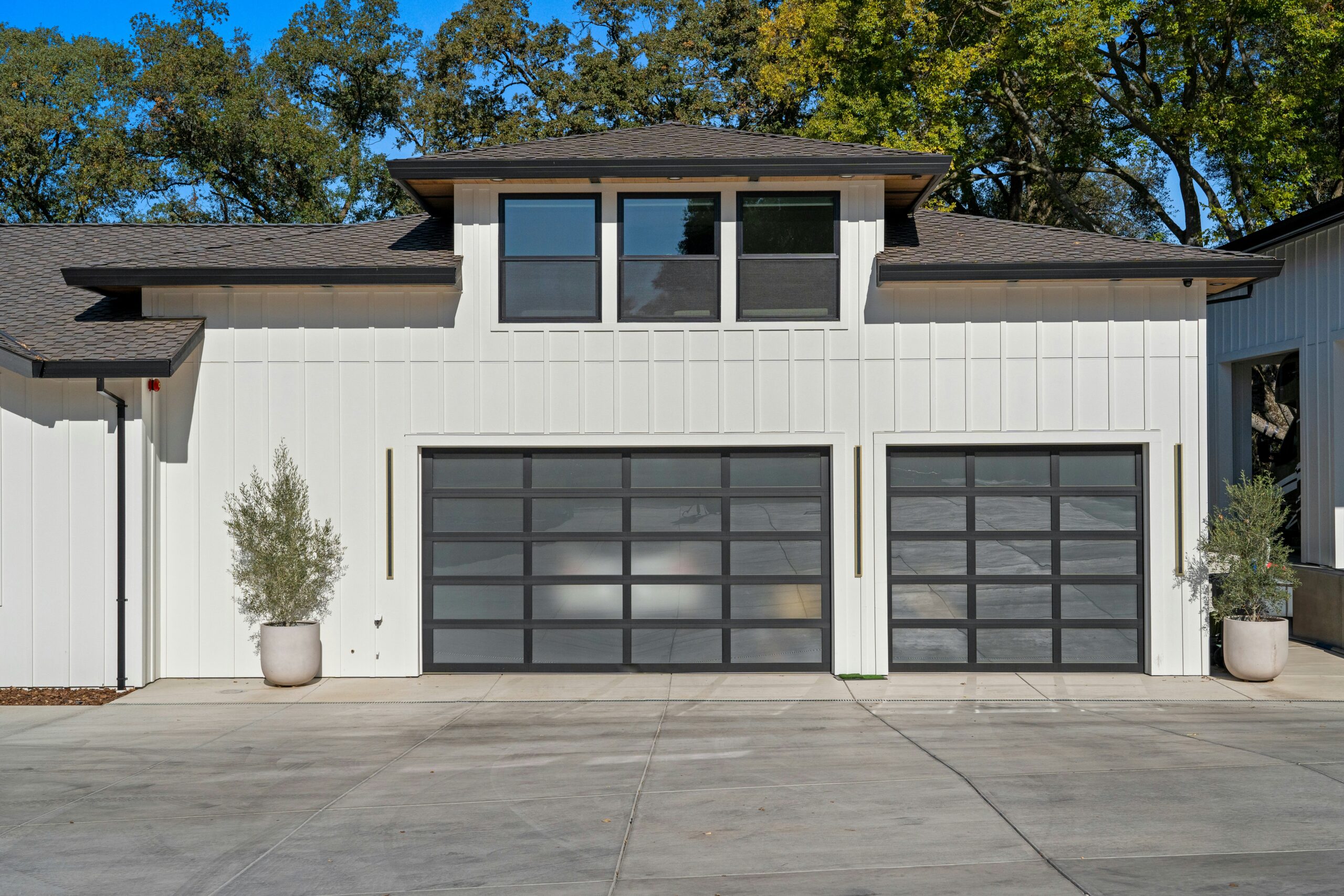
Steel is a common choice for durability and value. Aluminum, fiberglass, composite, and wood each bring different appearance, weight, maintenance, and price considerations. Windows, decorative overlays, custom colors, carriage-house styling, and specialty finishes can increase the door price. Compare complete product specifications, including wind rating where applicable, rather than judging only by the exterior panel.
Insulation and construction
Insulated doors usually cost more than basic non-insulated models. The benefit depends on the garage’s connection to conditioned rooms, climate, air sealing, and how the space is used. Compare the door’s construction and manufacturer-reported thermal performance; an insulation rating by itself does not seal gaps around the perimeter. Weatherstripping, a properly adjusted bottom seal, and the condition of the frame also matter.
Labor, access, and removal
Labor varies with location, door weight, opening condition, access, and the complexity of the spring and track system. Removing and disposing of the old door may be an added line item. Rot around the jamb, damaged framing, an out-of-square opening, or missing electrical outlets can require extra work. Ask whether the installer will inspect and document the opening before finalizing the price.
Opener and accessories
A new door does not always require a new opener. The existing opener may be reusable if it is compatible with the door’s weight and configuration and is in good condition. If you need one, budget separately for the opener, rail, safety sensors, wall control, remotes, battery backup, and installation. See our garage door opener replacement cost guide for that separate project.
Example budget categories
Use these categories to review a contractor’s estimate. The actual amount in each line depends on the product and property:
- Door and hardware: panels, hinges, rollers, tracks, springs, and required reinforcement.
- Installation labor: removal of the old system, setup, balancing, adjustment, and safety checks.
- Disposal: haul-away and recycling or disposal of the old door.
- Opening repairs: limited trim or framing repairs, if needed and approved.
- Options: insulation, windows, custom finish, upgraded seals, or wind-load features.
- Opener: a separate line if replacement or new installation is required.
Do not assume an online price includes all of these items. Get a written scope that states the door model, dimensions, finish, hardware, warranty, removal, taxes, and any work excluded from the quote.
How to compare quotes fairly
Request estimates based on the same door size, material, insulation level, window layout, color, and opener assumptions. Ask whether the quoted product is in stock and whether the price includes delivery, permits where required, haul-away, and final testing. Confirm that the installer will check spring balance, travel limits, photo-eye alignment, reversing response, fasteners, and seals after installation.
Verify licensing and insurance requirements in your area. Ask who performs the installation, who handles warranty service, and how unexpected framing damage is priced. A very low bid may omit removal, upgraded hardware, disposal, or finish work. Compare the complete scope and warranty terms, not just a headline total.
Plan for the opening to be unavailable during installation. Ask the company how it protects the garage if weather interrupts the work and whether the household should move vehicles or stored items before the crew arrives. Keep the manufacturer’s care instructions and the installer’s service contact with your project documents.
Can you install a garage door yourself?
Garage doors are heavy systems under spring tension. A mistake with torsion or extension springs, cables, or the door’s balance can cause severe injury or property damage. Manufacturers provide product-specific installation instructions, but those instructions do not make a complex installation risk-free. If you are unfamiliar with the system, hire a trained installer and do not loosen or remove spring hardware as a do-it-yourself experiment.
For code and product requirements, consult your local building department and the door manufacturer. The International Residential Code includes requirements relevant to building loads and garage openings; the adopted edition and local amendments determine what applies. The International Code Council’s residential building-planning chapter describes load-path and opening considerations. For manufacturer-specific safety and installation guidance, review Clopay’s installation overview.
Ways to keep the project on budget
Choose a standard size and finish if those options meet your needs. Keep the existing opener only after the installer confirms compatibility and safe operation. Avoid paying for features that do not solve a real need, but do not remove required safety hardware or structural reinforcement to cut the quote. If the opening needs repair, request photos and a separate price before the additional work begins.
Schedule an on-site measurement before ordering a custom door. Confirm who is responsible for measuring, ordering, delivery damage, and correcting a mismatch. Ask about the manufacturer’s product warranty and the installer’s labor warranty; they cover different things. A clear written proposal can prevent surprise charges and make the final invoice easier to verify.
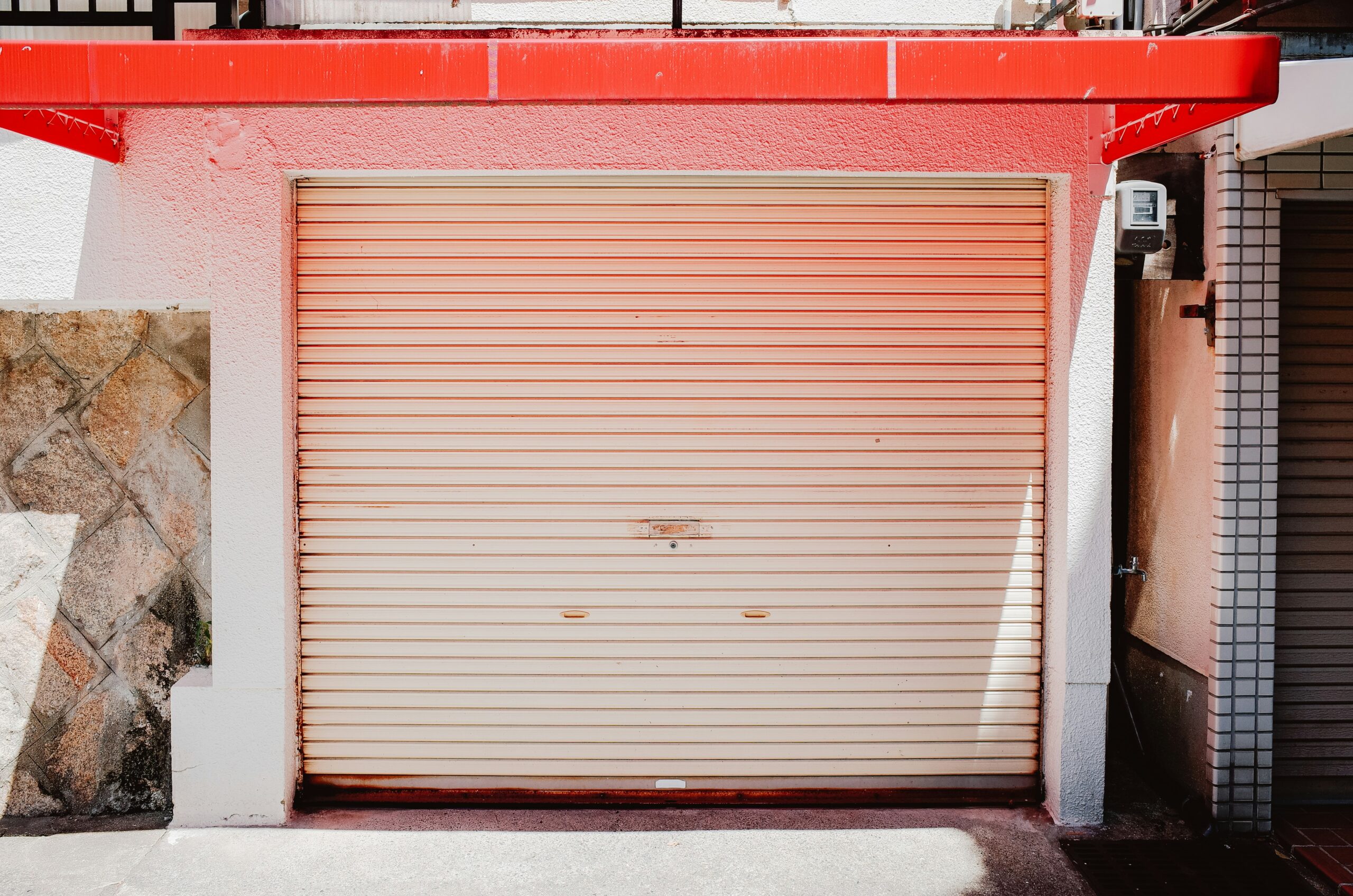
For related planning, read our garage door dent repair cost guide if you are deciding whether a damaged panel can be repaired, and our roll-up garage door installation guide for a different door style.
Frequently asked questions
How much does it cost to install a new garage door?
National consumer guides report broad averages, but your cost depends on size, material, options, labor, removal, and local pricing. Use published figures as a planning reference and obtain an itemized local quote.
Does installation include removing the old door?
Sometimes, but not always. Check the estimate for removal, haul-away, and disposal. Ask whether old tracks and hardware will also be removed.
Does a new garage door need a new opener?
Not necessarily. An installer should confirm that the existing opener is compatible with the new door and can operate it safely. A worn or undersized opener may need replacement.
How long does garage door installation take?
A straightforward replacement is often completed in a few hours, but repairs to the opening, custom products, access issues, or additional opener work can extend the visit. Ask the installer for a project-specific time estimate.
What should a garage door installation quote include?
Look for the exact door model and size, hardware, labor, removal, disposal, options, opener work, warranty, taxes, and exclusions. Confirm that safety checks and operating instructions are included.
Sources
- Angi: Garage Door Replacement Cost (2026)
- Angi: How to Hire a Garage Door Installation Pro
- International Code Council: International Residential Code, Building Planning
- Clopay: Garage Door Installation Overview
Prices vary by location, product, and installation scope. Confirm the final price and safety requirements with a qualified local installer before ordering.