
Garage Door Tune-Up Cost: What to Expect in 2026
A routine garage door tune-up in the United States is commonly quoted at about $100 to $250, before replacement parts or repairs. Angi’s guide, updated October 15, 2026, lists $100–$240; HomeGuide’s 2026 repair-cost guide lists $100–$250. Those are national estimates, not a guaranteed local price. The bill depends on what the technician checks, your area, and whether the visit uncovers a repair.
That distinction matters. A tune-up is preventive service. Replacing a worn roller, correcting a door that has slipped out of balance, or repairing an opener is additional work. Ask the company to separate the inspection fee from any recommended repair so you can decide with a clear number in front of you.
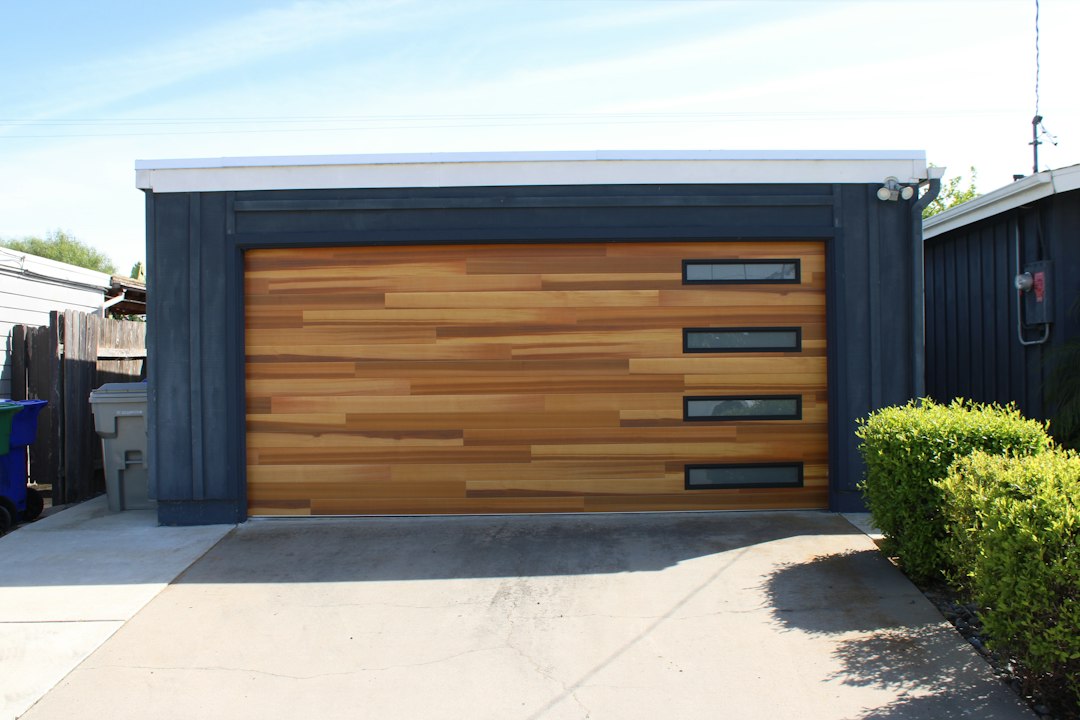
Photo by Ryan Waldman on Unsplash. A residential garage door system has several moving parts that should be checked together.
What does a garage door tune-up include?
The phrase “tune-up” is not a single standardized package, so read the estimate instead of relying on the label. A useful visit should cover the door and opener as a system, not just a quick spray of lubricant.
A technician may inspect the rollers, hinges, brackets, track, visible cables, springs, bearings, and opener hardware for looseness or wear. They can watch the door travel, listen for grinding or scraping, and check whether it starts, stops, and closes smoothly. The opener’s photo-eye sensors and safety-reversal features should also be checked according to the manufacturer’s instructions.
Lubrication and small adjustments are commonly part of routine service. The correct products and locations vary by door and opener. For instance, Amarr’s maintenance guidance advises owners to consult the product manual and says not to lubricate plastic rollers or idler bearings. A technician should know which components on your particular system need lubrication and which should stay clean.
Before the visit ends, ask for a short written summary. It should tell you what was inspected, what was adjusted, and what needs repair now versus later. If the company recommends a major part replacement, ask to see the affected component and request a separate estimate.
Why do tune-up prices vary?
Local labor and travel. Labor is a major part of a service visit, and rates differ between cities, suburbs, and rural areas. A company may charge a diagnostic or trip fee even when the door needs no repair. Ask whether that fee is included in the tune-up price or credited toward approved work.
The condition of the system. A door that has been maintained and moves normally may need only inspection, cleaning, lubrication, and minor tightening. A door with worn rollers, damaged hinges, loose track hardware, or an opener issue can take longer to diagnose. Those repairs should be priced separately; a routine tune-up quote does not tell you what a repair will cost.
One door or more than one. If the garage has two doors, ask whether the advertised rate covers one door or both. Some companies price by visit, others by door or service package. Do not assume that a “whole-home” price covers every opener, keypad, or remote.
Access and timing. A hard-to-reach opener, unusually tall door, or after-hours appointment may affect the estimate. Emergency service may also be priced differently from a scheduled maintenance visit. Get the total before the technician starts.
Is a tune-up different from a repair?
Yes. A tune-up is a planned inspection and maintenance visit. A repair addresses a specific fault, such as a door that will not close, a broken cable, a damaged panel, or an opener that stops midway. A company may discover a repair need during a tune-up, but that does not mean the repair is included in the tune-up charge.
If the quote changes after inspection, ask for three things: the diagnosed problem, the repair price, and what could happen if you wait. You should be able to accept the maintenance visit and decline optional repair work without confusion. For a safety-critical problem, such as a frayed lift cable or a door that feels unusually heavy, stop using the system and ask a trained technician to explain the risk before operating it again.
Be wary of a vague “everything is worn out” recommendation with no explanation. A second estimate is reasonable for a costly replacement, especially when the door still works and the technician cannot show the failed part. Never keep operating a door that is crooked, binding, or dropping suddenly just to compare prices.
What can you safely check yourself?
Homeowners can do simple visual checks without taking the door apart. Look for loose debris in the track, listen for a new scraping sound, check whether the photo-eye lenses are blocked, and notice whether the door moves evenly. Keep hands and tools out of the track and away from the spring assemblies.
Some opener manuals also explain how to test safety-reversal features. Follow the exact procedure for your model and keep everyone clear of the moving door. If it does not reverse as directed, stop using the opener and arrange service. The Door & Access Systems Manufacturers Association (DASMA) says an annual visit from a trained technician can help keep a system operating safely, while its general safety guidance also recommends regular homeowner checks.
There is a firm boundary: do not adjust or remove torsion springs, extension springs, bottom brackets, or lift cables. These parts carry substantial tension. DASMA specifically says worn cables should be replaced by a trained technician and warns that spring-system repairs are dangerous. If the door is heavy, out of balance, or difficult to lift, do not try to compensate by changing the opener’s force setting.
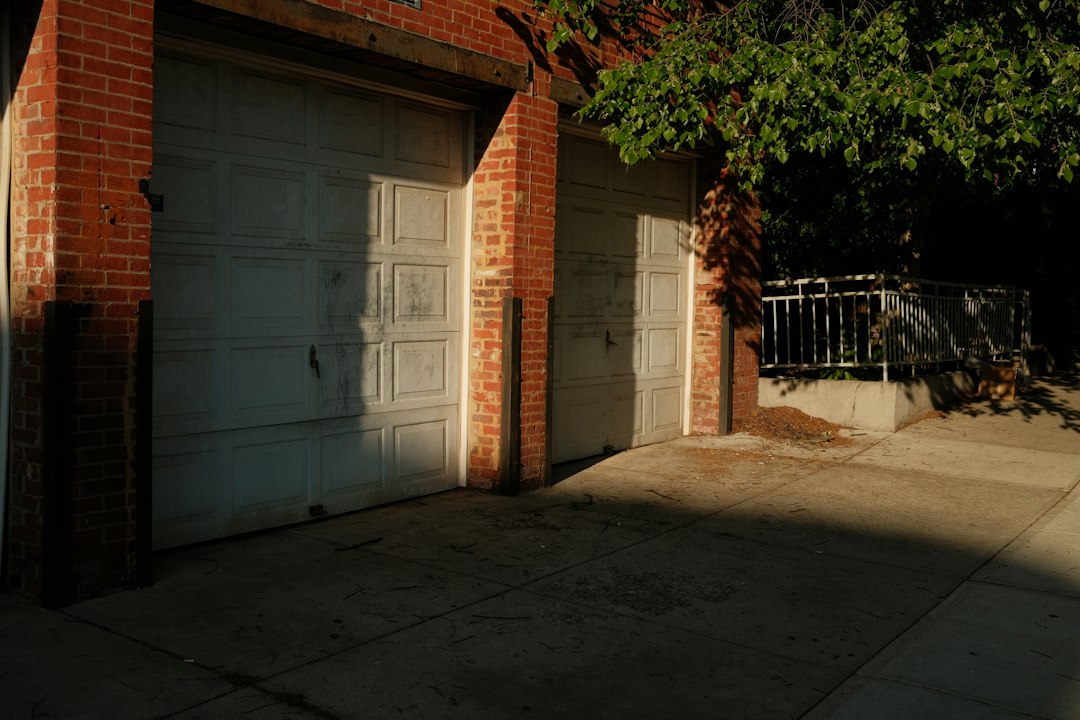
Photo by Danny Greenberg on Unsplash. A professional inspection can identify wear around rollers, hinges, and track hardware.
How often should you schedule service?
There is no single interval that fits every door. DASMA’s safety guidance recommends monthly safety checks by the homeowner and an annual visit from a trained technician. Some manufacturers suggest a more frequent professional inspection routine; Amarr, for example, recommends establishing a biannual inspection routine. Usage, weather, dust, salt exposure, and the door’s age can all affect maintenance needs.
Use the manual for your door and opener as the starting point. A door used many times a day may need attention sooner than a lightly used one. So may a system exposed to coastal salt or harsh winters. If the door suddenly becomes noisy, jerky, or unreliable, do not wait for the next calendar appointment just because it has been less than a year.
How to compare two estimates
When two companies give very different prices, compare the work line by line. A lower number may cover only a basic check, while a higher one may include the opener, safety testing, minor adjustments, and a written report. Neither price is meaningful until you know what it buys.
Before booking, ask:
- Is the price per door, per opener, or per visit?
- Does it include the trip or diagnostic fee?
- Which inspection and safety checks are included?
- Are lubrication and minor adjustments included?
- Will replacement parts and repairs be quoted separately?
- Is there an extra charge for evenings, weekends, or difficult access?
- Will I receive an itemized written estimate before additional work begins?
Ask the company to explain any problem it finds and show you the affected part when safe. A clear quote gives you time to review the work before you approve it.
Photo by PJH on Unsplash. Keep the photo-eye sensor path clear and follow the opener manual for safety tests.
When should you stop using the door?
Stop operating the door if it hangs at an angle, drops quickly, comes off its track, or makes a loud bang followed by unusual movement. A frayed cable, broken spring, or door that feels much heavier than normal calls for professional attention. Do not pull on a loose cable or try to lift a heavy door by yourself.
If the opener will not close the door, first look for an obvious obstruction at the photo eyes, but do not bypass a safety feature. If the sensors remain misaligned or the door reverses unexpectedly, use the manual’s troubleshooting steps only when they are clearly safe. Otherwise, leave the door closed and arrange service.
Frequently asked questions
How much should I budget for a garage door tune-up?
Current published U.S. estimates are roughly $100–$250 for routine service. Your local price may differ, and parts or repairs found during the visit are usually quoted separately. Ask whether the estimate includes the trip fee and safety checks.
Does a tune-up include repairs?
Usually, the quoted package covers inspection and routine maintenance, while replacement parts and larger repairs cost extra. Because packages differ, get the included tasks in writing before you book.
Can I lubricate my garage door myself?
Only follow the product manual. Some systems allow owner-applied lubricant on specified metal moving parts; plastic rollers and some other components should not be lubricated. Never spray lubricant on the track unless your manufacturer specifically says to.
Can I adjust a garage door spring to save money?
No. Springs and lift cables are under high tension and can cause serious injury. DASMA advises that cable replacement and spring-system repairs be handled by trained technicians. If the door is unbalanced, stop using it and call a professional.
A sensible price starts with a clear scope
For a routine tune-up, use $100–$250 as a U.S. planning range, then compare written local estimates. Confirm that service covers the door and opener, and get any repairs priced separately. Tell the technician what changed if the door has started making noise or moving unevenly.
A clear scope helps you judge the price on the work itself, not just the word “tune-up.”