
slide garage door: Amazing Tips for Success
Slide garage door: Amazing Tips for Success
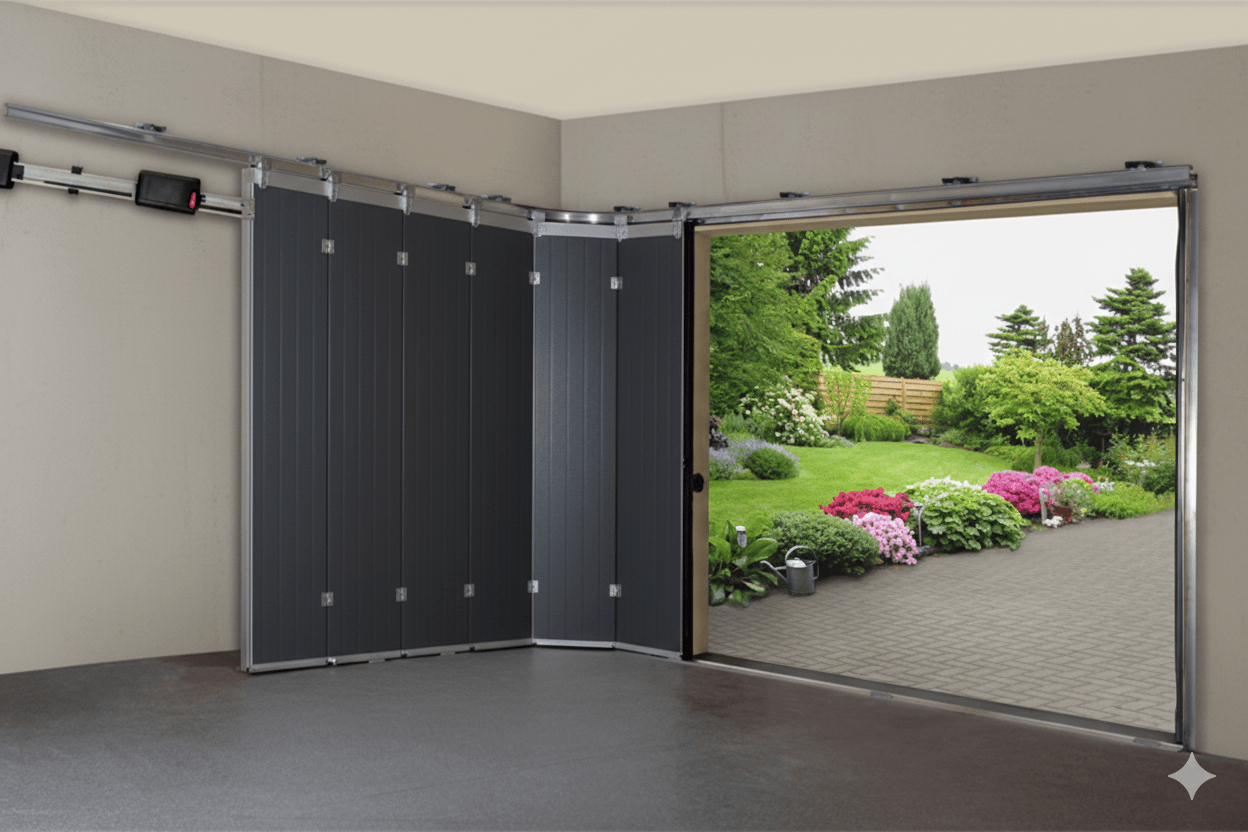
When considering upgrading your home’s exterior, choosing the right entryways can dramatically impact both functionality and aesthetics. Among the various options available today, the slide garage door has emerged as a particularly popular choice for homeowners seeking a blend of modern design and practical operation. This style, which opens by moving horizontally along a track rather than lifting vertically, offers a unique set of benefits that appeal to many.
The mechanics of a slide garage door are relatively straightforward but highly effective. The door panels hang from a track system installed above the opening, gliding smoothly to the side when operated. This horizontal movement eliminates the need for overhead tracks, freeing up valuable ceiling space within the structure. This aspect alone makes the slide garage door an incredibly attractive option for spaces with low headroom or those where the ceiling is utilized for storage.
Furthermore, the design of a slide garage door allows for significant architectural flexibility. Because the door does not need to articulate as it opens, it can be constructed from a wider variety of materials, including large expanses of glass, heavy solid woods, or sleek metals, without compromising the operating mechanism. This versatility means that a slide garage door can seamlessly integrate with nearly any architectural style, from rustic farmhouses to ultra-modern contemporary homes.
One of the most noticeable characteristics of a slide garage door is its quiet operation. Traditional overhead doors can often be noisy, rattling as they move along their vertical tracks. In contrast, the top-hung design of a slide garage door typically utilizes smooth-rolling hardware that minimizes friction and noise, making it an excellent choice for homes with living spaces located near or above the garage.
The security provided by a slide garage door is also a significant consideration for many homeowners. When properly installed and equipped with high-quality locking mechanisms, these doors offer robust protection against unauthorized entry. The continuous bottom guide track, if utilized, further enhances stability and prevents the door from being easily forced inward or outward.
What is a slide garage door
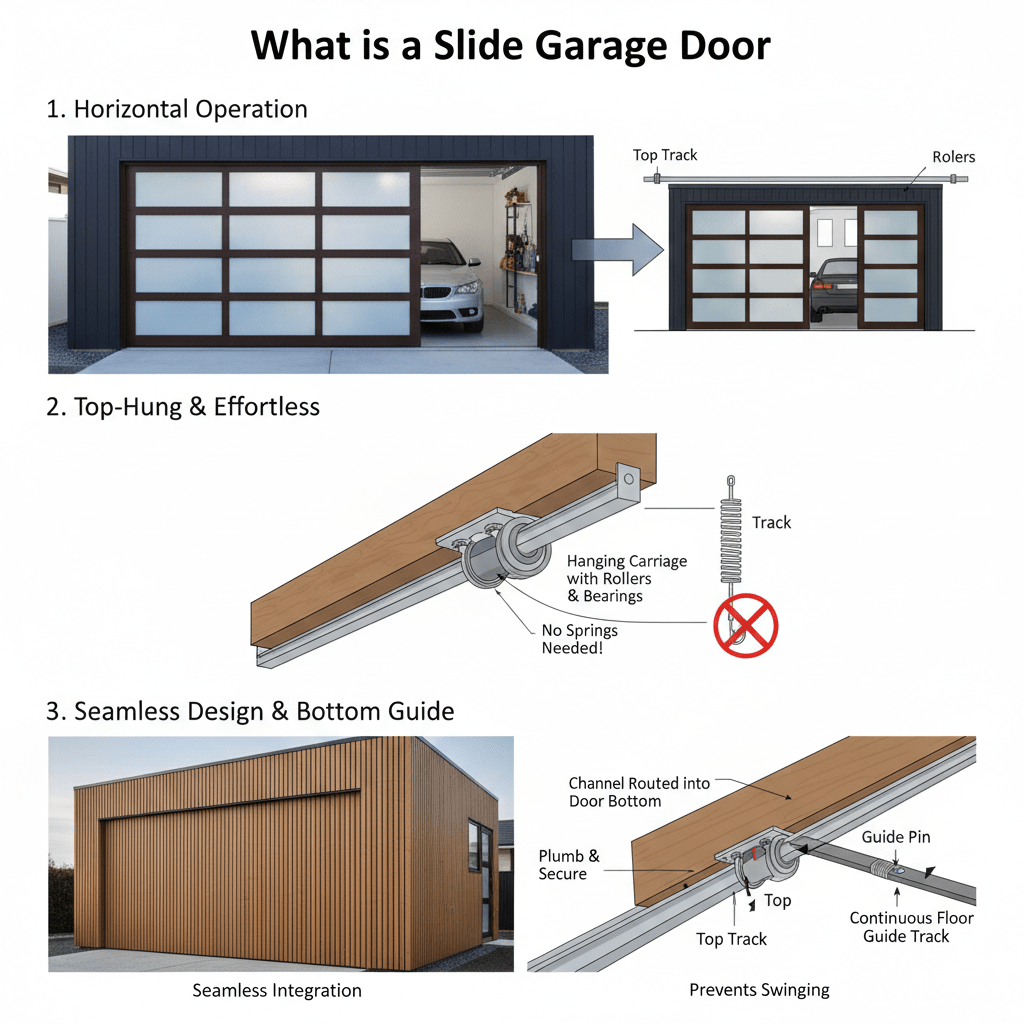
A slide garage door, as the name implies, is a type of garage door that operates by sliding horizontally along a track, rather than moving vertically up and down like a traditional sectional or roller door. This distinct mechanism relies on a system of tracks and rollers, typically situated at the top of the door opening, allowing the door panels to glide smoothly to the side. Depending on the design and available space, the door can consist of a single large panel that slides entirely to one side, or two panels that part in the middle and slide to opposite sides.
The fundamental design of a slide garage door is rooted in its simplicity and efficiency. Because the door panels hang from the top track, the weight is distributed evenly, resulting in a smooth and effortless operation, even for relatively heavy doors. This top-hung configuration also means that the door does not require complicated counter-balance systems, such as torsion or extension springs, which are necessary for vertical-lifting doors.
One of the defining features of a slide garage door is its aesthetic impact. The horizontal orientation allows for a different visual proportion compared to standard doors. The panels can be designed to match the exterior cladding of the house, creating a seamless integration when closed. When open, the door neatly tucks away along the adjacent wall, preserving the full height and width of the opening.
The track system for a slide garage door must be robust and precisely aligned. It typically consists of a heavy-duty aluminum or steel rail securely fastened to the header above the opening. Specialized carriages or hangers, equipped with high-quality bearings, are attached to the top edge of the door panels and ride within the track. A bottom guide is often used to keep the door plumb and prevent it from swinging outward, especially in windy conditions.
How to Find the Right slide garage door
Finding the perfect slide garage door for your home involves a careful evaluation of several key factors to ensure you make an informed decision. The first step in this process is to accurately assess the available space in and around your garage. Because a slide garage door operates horizontally, it requires adequate side clearance along the interior or exterior wall where the door will rest when fully open. This clearance must be equal to or slightly greater than the width of the door opening itself.
Once you have confirmed that your space can accommodate a slide garage door, the next consideration is the material. The choice of material will significantly impact the door’s appearance, durability, maintenance requirements, and overall cost. Common materials for a slide garage door include wood, steel, aluminum, and glass. Wood offers a classic, natural beauty but requires regular maintenance to protect it from the elements. Steel provides excellent durability and security but can be prone to rusting if the finish is damaged. Aluminum is lightweight and corrosion-resistant, making it a good choice for coastal areas. Glass panels can create a stunning modern look, allowing natural light into the garage.
The design and style of the slide garage door should complement the architectural character of your home. Whether you prefer a traditional carriage house look, a sleek contemporary design, or something entirely unique, there are countless options available. Pay attention to details such as panel configurations, window placements, and decorative hardware. Many manufacturers offer custom design services, allowing you to create a slide garage door that perfectly matches your vision.
Insulation is another crucial factor to consider when selecting a slide garage door. If your garage is attached to your home or if you use the space for activities other than parking vehicles, an insulated door can help regulate temperature and improve energy efficiency. Look for doors with high R-values, which indicate better thermal resistance. An insulated slide garage door can also help reduce noise transmission, both from outside and from the operation of the door itself.
When researching different brands and manufacturers of a slide garage door, take the time to read reviews and gather recommendations from professionals. Look for companies with a reputation for producing high-quality, durable products. Pay attention to the warranties offered, as a comprehensive warranty can provide peace of mind and protect your investment over the long term. Consider consulting with a local garage door specialist who can provide expert advice and help you navigate the various options available.
Finally, obtain quotes from multiple suppliers and installation contractors before making a final decision on your slide garage door. Compare not only the price of the door itself but also the cost of installation, hardware, and any necessary modifications to your garage structure. Be wary of quotes that seem unusually low, as they may indicate subpar materials or inexperienced installers. By thoroughly researching and comparing your options, you can find the ideal slide garage door that meets your needs and budget.
How Much Does a slide garage door Cost?
The cost of a slide garage door can vary significantly based on a wide range of factors, making it difficult to provide a single, definitive price. However, understanding the key variables that influence the final cost can help you establish a realistic budget for your project. On average, homeowners can expect to invest more in a slide garage door compared to a standard sectional steel door, primarily due to the specialized hardware and potentially more complex installation requirements.
One of the most significant factors affecting the price of a slide garage door is the material from which it is constructed. Basic steel doors are generally the most affordable option, offering a balance of durability and cost-effectiveness. As you move toward more premium materials, such as custom wood species, architectural-grade aluminum, or expansive glass panels, the cost will naturally increase. For instance, a custom-designed, solid mahogany slide garage door will represent a substantial investment compared to a simple, uninsulated steel model.
The size of the door opening also plays a crucial role in determining the cost of a slide garage door. Larger doors require more materials and heavier-duty track systems to support the increased weight, which drives up the price. Custom sizing, if your garage opening does not conform to standard dimensions, will also incur additional manufacturing costs. When budgeting for your project, ensure you are obtaining quotes based on the precise measurements of your specific opening.
Insulation is another feature that influences the overall cost of a slide garage door. While uninsulated doors are less expensive upfront, choosing an insulated model can provide long-term savings through improved energy efficiency, especially if your garage is attached or climate-controlled. The type and thickness of the insulation, usually measured in R-value, will dictate the price premium associated with this feature.
The complexity of the installation process for a slide garage door can also impact the final cost. Unlike standard vertical-lifting doors, which follow a relatively uniform installation procedure, the installation of a slide garage door often requires careful planning and precise execution. The track system must be perfectly level and securely anchored to support the hanging weight of the door. Any structural modifications required to accommodate the track or provide necessary side clearance will add to the labor costs.
Finally, the inclusion of an automated opening system will add to the overall expense of a slide garage door. Openers designed specifically for horizontal operation can be more expensive than standard overhead openers. Features such as battery backup, smartphone connectivity, and advanced security sensors will also increase the cost of the automation system. When evaluating the total cost of a slide garage door, it is essential to consider the long-term value it brings in terms of aesthetics, functionality, and potential property value enhancement.
Why Choose a slide garage door?
There are several compelling reasons why a homeowner might choose a slide garage door over more traditional vertical-lifting options. One of the primary motivations is the desire to maximize usable ceiling space within the garage. Standard sectional doors require overhead tracks and clearance for the door panels as they transition from a vertical to a horizontal position. In contrast, a slide garage door operates entirely along the horizontal plane, leaving the ceiling area completely unobstructed. This is particularly advantageous for garages with low headroom, tall vehicles, or those utilized for overhead storage, lighting, or specialized equipment like car lifts.
Another significant advantage of a slide garage door is its exceptional quietness during operation. Traditional overhead doors rely on a complex system of springs, cables, and rollers moving through curved tracks, which can generate considerable noise and vibration. A slide garage door, however, typically utilizes high-quality, smooth-rolling hardware suspended from a single top track. This straightforward mechanical design minimizes friction and eliminates the rattle often associated with vertical doors, making it an ideal choice for homes with bedrooms or living spaces adjacent to or above the garage.
The architectural versatility of a slide garage door is also a major draw for many homeowners. Because the door panels do not need to bend or articulate as they open, they can be constructed from a wider array of materials and designs. This allows for seamless integration with the home’s exterior cladding. Whether you desire a rustic timber look, sleek modern metal, or a door composed almost entirely of glass, a slide garage door can accommodate these design choices without compromising functionality. This aesthetic flexibility allows the door to become a focal point of the home’s exterior rather than just a utilitarian feature.
Durability and reliability are further reasons to consider a slide garage door. The top-hung design means that the weight of the door is supported evenly along the track, reducing stress on individual components. Furthermore, the absence of high-tension torsion or extension springs, which are prone to fatigue and failure over time in traditional doors, simplifies the mechanism and reduces the likelihood of sudden breakdowns. A well-maintained slide garage door can provide years of trouble-free service with minimal mechanical issues.
Finally, the ease of manual operation, even for large and heavy doors, is a notable benefit of a slide garage door. The weight distribution and low-friction rolling hardware make it surprisingly effortless to slide the door open or closed by hand, should the power fail or an automated opener not be installed. This accessibility can be an important consideration for safety and convenience, ensuring that the garage can be accessed or secured under any circumstances. These combined benefits make the slide garage door a highly attractive option for a variety of residential applications.
How Long Does a slide garage door Last?
The lifespan of a slide garage door can vary considerably depending on several crucial factors, including the quality of materials, the precision of the installation, and the consistency of ongoing maintenance. Generally speaking, a high-quality slide garage door, when properly cared for, can last anywhere from 15 to 30 years or even longer. This longevity is largely attributable to the simpler mechanical design compared to traditional overhead doors, which rely on high-tension springs that inevitably degrade over time.
The material composition of the slide garage door is perhaps the most significant determinant of its potential lifespan. Steel doors are known for their durability and resistance to warping, but they can be susceptible to rust if the protective coating is scratched or compromised. Aluminum doors offer excellent resistance to corrosion, making them ideal for coastal environments, though they may dent more easily than steel. Solid wood doors, while aesthetically pleasing, require the most diligent maintenance, including regular sealing or painting, to protect against rot, warping, and insect damage.
The track system and rolling hardware are critical components that directly impact the longevity of a slide garage door. High-quality, heavy-duty aluminum or galvanized steel tracks, combined with precision-sealed bearing rollers, will withstand the constant weight and movement of the door far better than cheaper alternatives. If the hardware is subpar or if the track is not perfectly aligned during installation, it can lead to premature wear and tear, significantly reducing the overall lifespan of the door system.
Environmental factors also play a role in how long a slide garage door will last. Doors exposed to harsh sunlight, extreme temperature fluctuations, heavy rain, or salt-laden air will naturally experience accelerated weathering. In such conditions, selecting appropriate materials and adhering to a rigorous maintenance schedule becomes even more critical. For example, a wood door in a very humid climate will require far more frequent attention than an aluminum door in a mild, dry environment.
Regular maintenance is the key to maximizing the lifespan of any slide garage door. This includes routine cleaning of the door panels and track, lubrication of the moving parts, and periodic inspections for any signs of wear or damage. Keeping the bottom guide clear of debris is also essential to ensure smooth operation and prevent the door from derailing. By addressing minor issues promptly and performing consistent upkeep, homeowners can significantly extend the functional life of their slide garage door and protect their investment.
How to Install a slide garage door
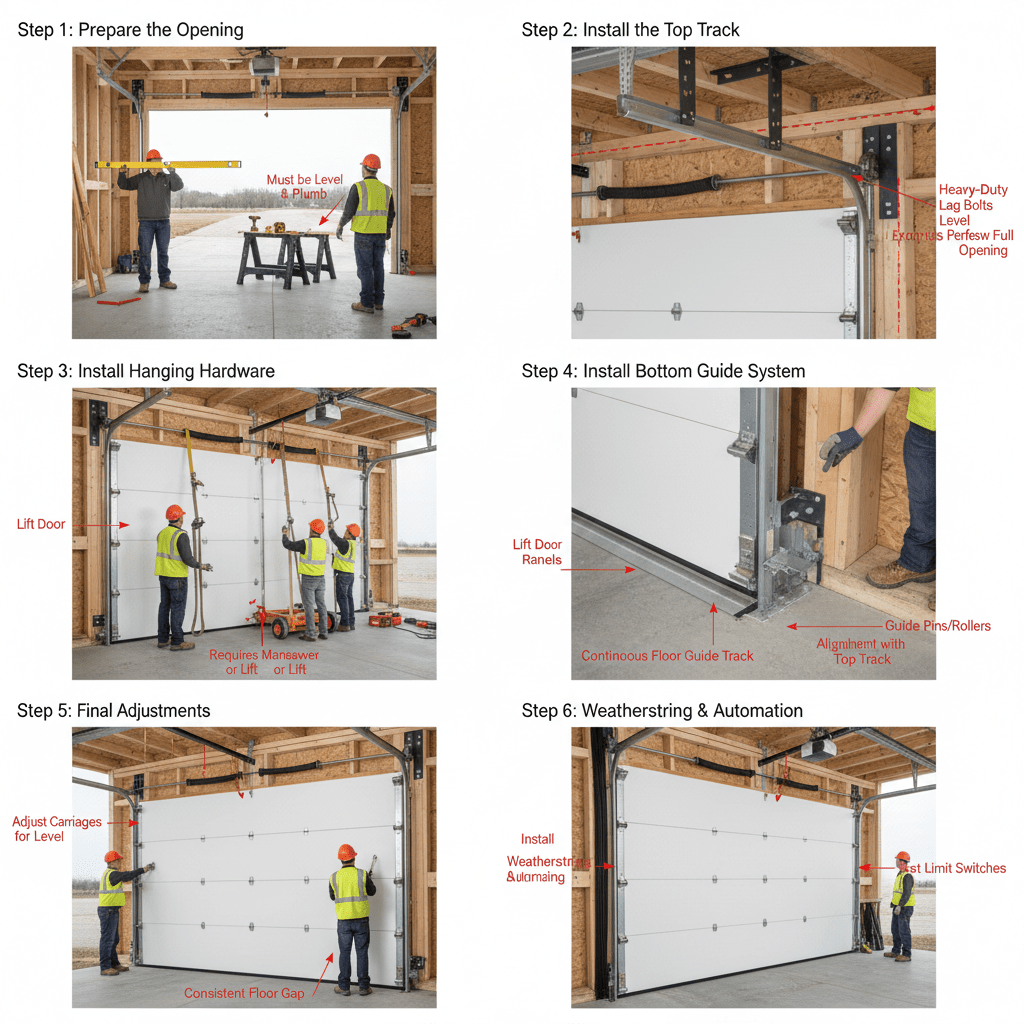
The installation of a slide garage door is a process that requires precision, careful planning, and a good understanding of structural requirements. While some experienced DIY enthusiasts might attempt this project, it is generally recommended to hire professional installers due to the weight of the doors and the critical nature of the track alignment. The first step in the installation process involves preparing the opening and ensuring the header—the structural beam above the door—is level, plumb, and robust enough to support the entire weight of the hanging door system.
Once the opening is prepared, the next crucial step is installing the top track for the slide garage door. This track must be mounted perfectly level; even a slight deviation can cause the door to slide open or closed on its own or create excessive friction during operation. The track is typically secured directly to the header using heavy-duty lag bolts or specialized mounting brackets. It is essential to ensure that the track extends far enough along the adjacent wall to allow the door to open fully, completely clearing the opening.
After the top track is securely in place, the hanging hardware, or carriages, are installed onto the top edge of the slide garage door panels. These carriages contain the rollers that will glide within the track. The exact method of attachment will vary depending on the specific door design and material. Carefully lifting the door panels and guiding the rollers into the track requires adequate manpower or specialized lifting equipment, as these panels can be exceptionally heavy and awkward to maneuver.
With the door panels hanging in the track, the focus shifts to the bottom guide system of the slide garage door. Unlike overhead doors, sliding doors require a mechanism at the base to keep them plumb and prevent them from swinging outward, especially in windy conditions. This usually involves installing a continuous guide track in the floor or using discrete guide pins or rollers that engage with a channel routed into the bottom edge of the door. The bottom guide must be perfectly aligned with the top track to ensure smooth, bind-free operation.
The final stages of installing a slide garage door involve adjusting the hardware, installing any necessary weatherstripping, and setting up the automated opener, if applicable. The carriages may need fine-tuning to ensure the door hangs perfectly level and maintains a consistent gap at the floor. Weather seals are applied to the edges and bottom of the door to prevent drafts and moisture intrusion. If an electric opener is used, the drive mechanism must be properly tensioned, and the limit switches carefully set to define the fully open and fully closed positions of the door.
Should I Get a slide garage door?
Deciding whether to install a slide garage door requires a careful assessment of your property’s specific characteristics, your budget, and your aesthetic preferences. This type of door offers distinct advantages but also comes with specific requirements that may not suit every home. One of the first questions to ask yourself is whether you have adequate side clearance. A slide garage door needs uninterrupted wall space adjacent to the opening, at least equal to the width of the door itself, to accommodate the panels when fully open. If your garage is narrow or built close to a property line, this option may be structurally impossible.
If space allows, the next consideration is how you utilize the interior of your garage. If you use the ceiling space for overhead storage, tall vehicle parking (like an RV or a car with a roof rack), or if you simply prefer an uncluttered ceiling aesthetic, a slide garage door is an excellent choice. By operating horizontally, it eliminates the need for overhead tracks and lifting mechanisms, freeing up significant vertical space that traditional sectional doors would otherwise occupy.
Aesthetics play a major role in the decision to choose a slide garage door. These doors offer a unique, clean look that can dramatically enhance the curb appeal of a home. Their design allows for greater flexibility in materials and panel configurations, making it easier to match the architectural style of your house, whether it’s a historic renovation or a modern new build. If you are looking for a statement piece that differentiates your home from the standard suburban aesthetic, this style is certainly worth considering.
You must also consider the budget implications when contemplating a slide garage door. In general, the initial cost for materials and professional installation is higher than that of a standard overhead door. The specialized, heavy-duty tracking systems and the potential need for structural modifications contribute to this increased expense. However, many homeowners find that the long-term benefits such as increased durability, quieter operation, and enhanced property value—justify the higher upfront investment.
Finally, think about the operational aspects. A slide garage door is renowned for its quiet and smooth operation, which is highly beneficial if you have living spaces near or above the garage. The simplified mechanism, lacking high-tension springs, also means generally lower maintenance requirements and fewer potential points of failure over time. If you value a quiet environment and reliable performance, and your garage meets the spatial requirements, a slide garage door could be a highly rewarding upgrade for your home.
Can I Automate a slide garage door?
Yes, you can absolutely automate a slide garage door, bringing the same level of convenience and security to this style as you would expect from a traditional overhead door. The process and the equipment used, however, are specifically tailored to horizontal movement. Automating a slide garage door involves installing a motorized opener system designed to pull the door panels along the top track, rather than lifting them vertically.
The most common type of automated opener for a slide garage door utilizes a track and trolley system, similar in concept to standard openers but oriented horizontally. A motor unit is mounted at one end of the track system, typically near the corner where the door rests when fully open. A belt or chain drive connects the motor to a trolley that travels along a rail, which in turn is attached to the leading edge of the door panel. As the motor turns, it pulls the trolley, sliding the door open or closed.
When selecting an automation system for a slide garage door, the weight of the door is a critical factor. Sliding doors, particularly those made of solid wood or heavy glass, can be significantly heavier than standard sectional doors. Therefore, it is essential to choose a motor with sufficient horsepower or lifting capacity to handle the load without straining. An undersized motor will wear out quickly and may fail to operate the door smoothly, especially in cold weather or if the track encounters slight resistance.
Safety features are paramount when automating a slide garage door. Modern openers must include auto-reverse mechanisms that detect resistance and immediately stop and reverse the door’s direction if it encounters an obstacle. Furthermore, photoelectric sensors, often called “safety eyes,” must be installed across the door opening. These sensors project an invisible beam; if the beam is broken by a person, pet, or object while the door is closing, the system will halt the operation, preventing potential injury or damage.
The convenience features available for an automated slide garage door are extensive. Most systems come with remote controls for easy access from your vehicle. Many modern openers also offer smartphone integration via Wi-Fi, allowing you to monitor the door’s status, open or close it remotely, and receive alerts if the door is left open. Keypads mounted outside the garage provide secure, keyless entry. By integrating these technologies, an automated slide garage door becomes a seamless and highly functional component of a modern home.
Advantages and Challenges Connected to slide garage door
Choosing a slide garage door presents a unique set of advantages that can significantly enhance the functionality and appearance of a home, but it also comes with specific challenges that must be carefully considered. One of the most prominent advantages is the preservation of ceiling space. By operating horizontally along the wall, a slide garage door eliminates the need for overhead tracks, opening up the ceiling for storage, tall vehicles, or specialized lighting. This vertical freedom is a major benefit for garages with low headroom or those designed for multi-purpose use.
Another significant advantage of the slide garage door is its aesthetic versatility. The horizontal design allows for a seamless integration with the home’s exterior, offering clean lines and the ability to use a wide variety of materials, including expansive glass panels or heavy architectural woods. Furthermore, the top-hung mechanism typically results in much quieter operation compared to traditional vertical doors, as it eliminates the rattling springs and complex track systems associated with overhead lifting. This quietness is highly valued in homes where living spaces are adjacent to the garage.
However, the primary challenge associated with a slide garage door is its specific spatial requirement. The door requires clear, unobstructed wall space on at least one side of the opening, equal to or greater than the width of the door itself. This necessitates careful planning during the design phase and can make this style unsuitable for narrow garages or properties with limited side clearance. If the necessary space is not available, the installation is simply not feasible.
A further challenge often connected to the slide garage door is the requirement for a pristine bottom track or guide system. Because the door is suspended from the top, the bottom must be guided to prevent swinging and ensure proper alignment. This often involves a channel in the floor that must be kept scrupulously clean of dirt, gravel, and debris. If the bottom guide becomes obstructed, it can cause the door to bind, derail, or suffer accelerated wear on the top rollers. In regions with heavy snow or ice, keeping this bottom track clear can be an ongoing maintenance task.
Finally, the cost and complexity of installation represent challenges for some homeowners considering a slide garage door. The specialized hardware, heavier materials, and precise alignment required for a smooth horizontal operation generally translate to a higher initial investment compared to a standard sectional door. Professional installation is highly recommended to ensure the track is perfectly level and securely anchored, further adding to the upfront costs. Despite these challenges, for many, the unique benefits and striking appearance of a slide garage door outweigh the potential drawbacks.
Specific Components and Fixes
Maintaining the functionality of your garage involves understanding various components. Let’s delve into some specific areas related to sliding mechanisms.
how to install garage door slide lock
Installing a slide lock adds a layer of security. First, position the lock on the interior of the door panel, ensuring the sliding bolt aligns perfectly with the track. Mark the mounting holes. Drill pilot holes and secure the lock body using the provided screws. Next, align the catch or strike plate on the track where the bolt engages when extended. Mark, drill, and secure the catch. Test the lock to ensure the bolt slides smoothly into the catch without binding.
how to unlock garage door slide lock
To unlock a slide lock, simply grasp the handle or knob of the sliding bolt on the interior of the door. Pull the bolt back firmly until it completely clears the catch or strike plate mounted on the track. Ensure the bolt is fully retracted before attempting to open the door, as a partially engaged lock can cause the door to jam or damage the track mechanism during operation.
how to fix garage door opener inner slide
If the inner slide (the carriage) of the opener is jammed or broken, first disconnect the power. Disengage the door from the opener using the emergency release cord. Inspect the inner slide for physical damage or obstruction within the opener rail. If the slide is broken, you will need to purchase a replacement part specific to your opener model. Remove the stop bolt at the end of the rail, slide the old carriage out, and slide the new one in, ensuring it engages with the drive belt or chain correctly.
manual slider garage door screens
Manual slider screens are an excellent addition for ventilation. These systems typically run on their own dedicated tracks installed parallel to the main garage door tracks. Installation involves mounting a top header track and a bottom guide track. The screen panels, framed in lightweight aluminum, are then inserted into the tracks. They feature rollers that allow them to glide effortlessly from side to side, providing a bug-free barrier while allowing fresh air to circulate through the space.

FAQ : Slide garage door
What is the main advantage of a slide garage door?
The primary advantage is the preservation of ceiling space, as it operates horizontally without the need for overhead tracks, making it ideal for low-headroom garages.
Can a slide garage door be automated?
Yes, they can be fully automated using specialized horizontal openers that utilize a track and trolley system to pull the door open and closed.
Does a slide garage door require more maintenance?
They generally require similar maintenance to standard doors, but keeping the bottom guide track completely clear of debris is a critical, specific requirement for smooth operation.
Is a slide garage door more expensive than a standard door?
Typically, yes. The specialized hardware, potential for custom materials, and precise installation requirements usually result in a higher initial cost.
How much side clearance is needed for a slide garage door?
You need uninterrupted wall space adjacent to the opening that is at least equal to the full width of the door itself.
Conclusion
In conclusion, exploring the option of a slide garage door reveals a sophisticated and highly functional alternative to traditional overhead systems. This style offers unique benefits, most notably the preservation of valuable ceiling space and a smooth, exceptionally quiet operation. The architectural versatility of the slide garage door allows it to complement a wide range of home designs, from classic to contemporary, often serving as a striking visual element that enhances curb appeal.
While the requirements for side clearance and potentially higher initial costs are factors to consider, the long-term durability and aesthetic appeal make it a compelling choice. By carefully evaluating your property’s specific needs, budget, and design preferences, you can determine if a slide garage door is the ideal investment to elevate the functionality and style of your home.
Other Resources
Access Garage Doors – Informational page describing sliding garage door systems and their operation.
Ryterna – Product page featuring side sliding garage doors for residential applications.
Amazon – Sliding Garage Door – Marketplace search results listing sliding garage door products and accessories.
YouTube – Sliding Garage Door Video – Video demonstrating sliding garage door installation or functionality.
Other Helpful Articles
Insulated Garage Door Windows – Guide explaining insulated window options for garage doors.
Insulated Roller Garage Door – Article outlining features and benefits of insulated roller garage doors.
Broken Garage Door Cable – Informational page describing causes and repair considerations for broken garage door cables.