
Insulated Garage Door Windows: Powerful Benefits
Insulated garage door windows: Best Tips
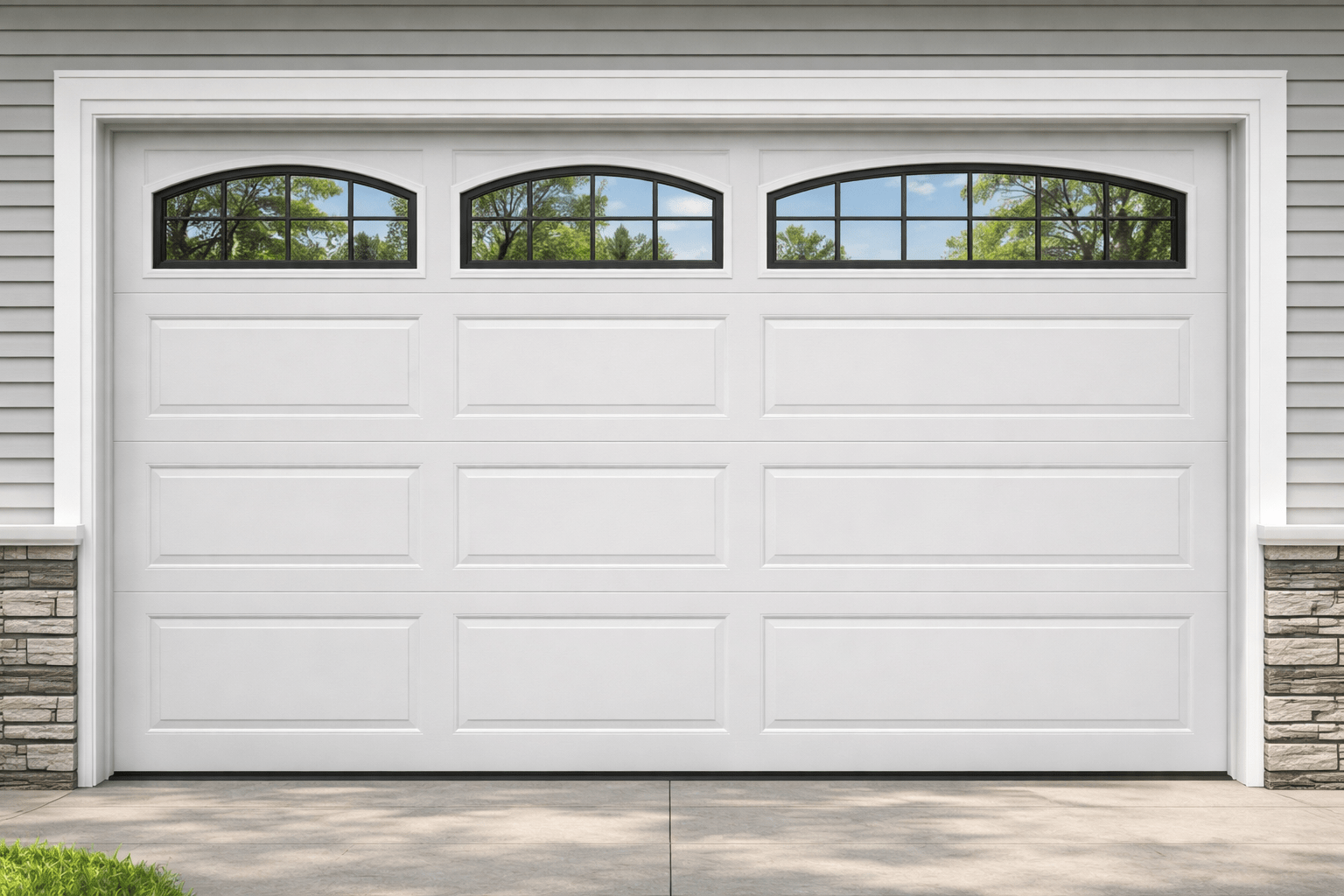
When considering upgrades for your home, the garage often gets overlooked, yet it represents a massive portion of your home’s façade and thermal envelope. Many homeowners suffer from garages that freeze in the winter and become ovens in the summer. One of the most effective solutions to this pervasive problem is the installation of insulated garage door windows. This upgrade does more than just regulate temperature; it transforms a dark, utilitarian space into a bright, usable extension of your home.
The concept of upgrading your garage glazing is gaining traction across the country. As energy costs rise, finding areas of heat loss becomes a priority for budget-conscious families. Standard single-pane glass in a garage door is essentially a hole in your wall regarding thermal performance. By switching to insulated garage door windows, you create a barrier that keeps the weather out while letting natural light in. This article will guide you through every aspect of this renovation, ensuring you have the knowledge to make a smart investment.
We will explore the technical definitions, the costs involved, and the installation processes required for success. Whether you use your garage as a workshop, a gym, or simply a place to park, the climate control provided by insulated garage door windows can change how you utilize the square footage. It is a modification that marries aesthetics with functionality in a way few other home improvements can.
What Are High-Performance Glazing Options?
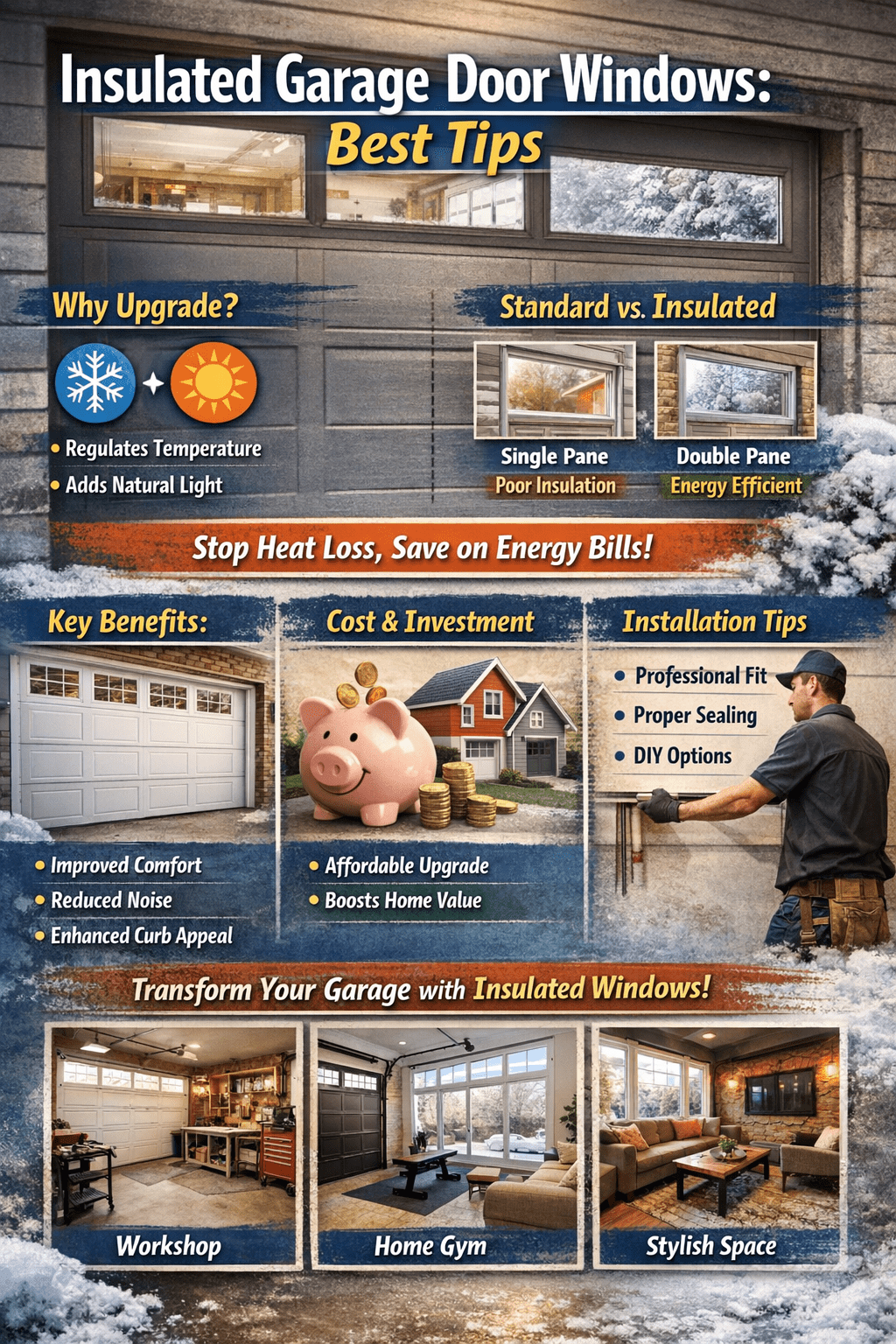
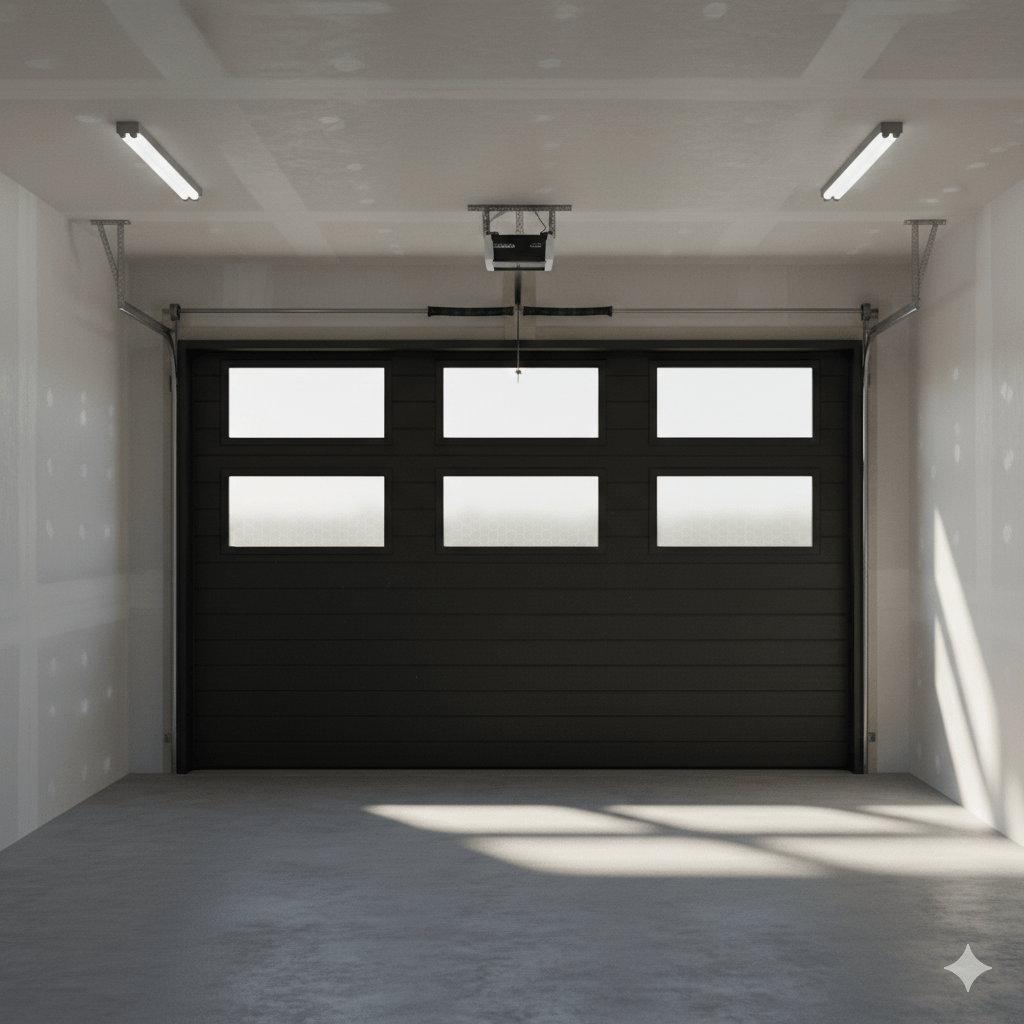
To understand the value proposition, we must first define what we mean by insulated garage door windows. Unlike the standard, thin glass found in older builder-grade doors, these units are constructed similarly to the high-efficiency windows found in your living room. They typically consist of two panes of glass separated by a spacer. This space is often filled with air or an inert gas like argon, which acts as a thermal break. The result is a window unit that resists heat transfer much more effectively than single-pane alternatives.
The construction of insulated garage door windows is designed to complement the insulation value of the door itself. If you have a sandwich-style garage door with a high R-value (a measure of thermal resistance), pairing it with single-pane glass creates a weak link. The thermal performance of the entire door is dragged down by the poor insulation of the glass. High-performance insulated garage door windows maintain the integrity of that thermal barrier, ensuring that the R-value remains consistent across the entire surface area of the door.
These windows come in various materials, including tempered glass, acrylic, and polycarbonate. Tempered glass is the most common for residential use due to its safety features; if it breaks, it shatters into small, dull chunks rather than dangerous shards. When you shop for insulated garage door windows, you are looking for a product that offers durability, clarity, and, most importantly, the ability to stop heat flow. It is a sophisticated component that turns a simple moving wall into an energy-efficient asset.
Why You Need Thermal Protection Now
The primary reason homeowners gravitate toward insulated garage door windows is energy efficiency, but the “why” goes deeper than just a lower utility bill. Your garage is likely attached to your home. When the garage gets extremely cold or hot, that temperature radiates through the shared walls and into your living spaces. Rooms above or adjacent to the garage are notoriously difficult to heat or cool. Installing insulated garage door windows helps stabilize the garage temperature, acting as a buffer zone that protects the interior comfort of your house.
Beyond thermal regulation, there is the factor of condensation. In many climates, single-pane windows will “sweat” when there is a temperature difference between the inside and outside. This moisture can drip down, damaging the door panels or encouraging mold growth. Insulated garage door windows significantly reduce the likelihood of condensation because the interior pane stays closer to the room temperature. This protects your door hardware and keeps the environment drier and healthier.
Security and noise reduction are secondary but vital “whys.” The double-pane construction of insulated garage door windows provides a thicker barrier against potential intruders compared to flimsy single glass. Furthermore, the air gap that provides thermal insulation also dampens sound. If you live on a busy street, these windows can help mute traffic noise, making your garage—and your home—a quieter sanctuary. The investment in insulated garage door windows pays dividends in comfort, security, and peace of mind.
How to Find the Best Glass Products
Finding the right insulated garage door windows requires a bit of research, as they are not always a one-size-fits-all product. The first step is to identify the manufacturer of your current garage door. Most major brands have specific window kits designed to fit their panel profiles. You can usually find a sticker on the side of the door or near the track with the model number. Using this information is the surest way to find compatible insulated garage door windows that will snap or screw into place without modification.
If you are looking for aftermarket or universal solutions, you must be meticulous with measurements. You need to measure the dimensions of the existing window cutouts or the panel embossments where you intend to cut new holes. When searching online for insulated garage door windows, look for suppliers that specialize in garage door parts rather than general hardware stores. Specialized retailers will list the specifications, including the thickness of the glazing unit and the frame depth, which are critical for a proper fit.
Local garage door dealers are also an excellent resource. They often carry stock or can order specific insulated garage door windows for you. Visiting a showroom allows you to see the difference in glass tint and frame quality in person. You can compare clear glass, obscure glass, or decorative inserts. When asking about insulated garage door windows, verify if the frames are made of a UV-resistant material to prevent yellowing over time, ensuring your upgrade looks good for years to come.
How Much Does This Upgrade Cost?
The cost of insulated garage door windows varies significantly based on whether you are retrofitting an existing door or buying a brand-new door with them pre-installed. For a retrofit project, you are generally looking at the cost of the window kits (frame and glass). A single kit for insulated garage door windows can range from $70 to $150 per window depending on the style and glass quality. Since a standard double-car garage door usually takes four windows across the top section, the material cost can land between $280 and $600.
If you hire a professional to install your insulated garage door windows, you must factor in labor. A technician will likely charge a service call fee plus an hourly rate. Installation might take one to two hours, pushing the total labor cost to somewhere between $150 and $300. Therefore, a full retrofit project for a standard door could cost between $450 and $900. While this is not pocket change, it is significantly cheaper than replacing the entire door system.
However, if your current door is old, uninsulated, or damaged, it might be more cost-effective to buy a new door that already includes insulated garage door windows. A high-quality, insulated steel door with thermal windows can cost between $1,500 and $4,000 installed. While the upfront cost is higher, you get the benefit of a completely new system with warranties. When budgeting, remember that insulated garage door windows add value to the home, potentially offering a return on investment when you sell.
How Long Will the Installation Take?
For the average DIY enthusiast, installing insulated garage door windows is a weekend project that typically takes about half a day. If you are retrofitting a door that already has windows, the process is faster. You are simply unscrewing the old frames, removing the single-pane glass, and inserting the new insulated garage door windows. This swap can often be completed in under two hours for a set of four windows, assuming the screw holes align and no cutting is required.
However, if you are adding insulated garage door windows to a solid door panel, the timeline extends. You will need to carefully measure, mark templates, and cut holes in the steel or wood panels. This is a precision task; one slip with the jigsaw can ruin a panel. Cutting the openings, treating the edges to prevent rust, and installing the frames for four insulated garage door windows will likely take four to six hours. It is slow, deliberate work that cannot be rushed.
Professional installation is naturally much faster. An experienced technician who installs insulated garage door windows daily can typically complete a retrofit in about an hour. They have the specialized tools and the muscle memory to execute the job efficiently. If you are time-poor, hiring a pro ensures the job is done correctly and quickly. Regardless of who does the work, the disruption to your daily routine is minimal, as the garage remains functional for most of the process.
How to Install Your New Panes Correctly
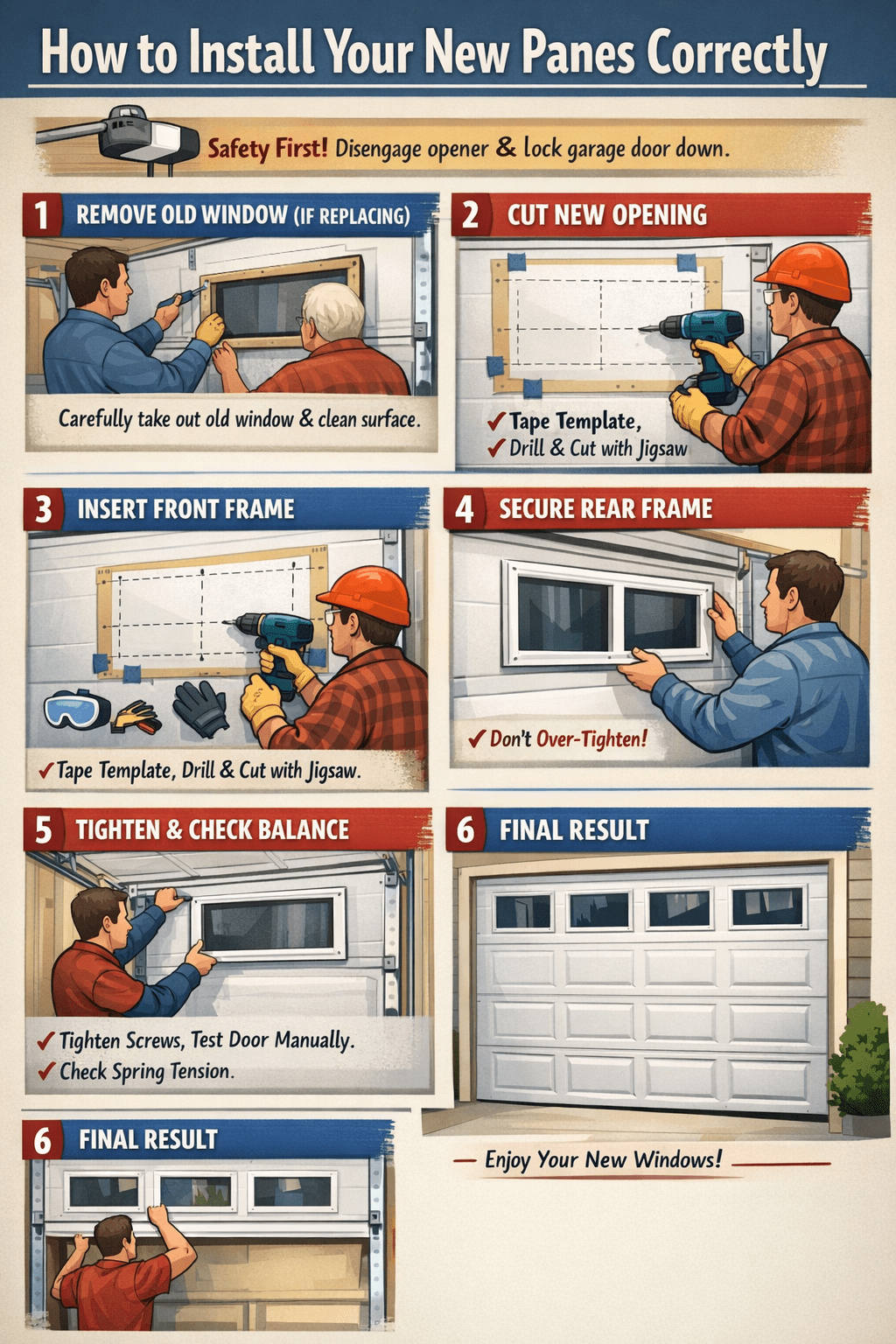
Installing insulated garage door windows begins with safety. Disengage your garage door opener and lock the door in the down position. If you are replacing existing windows, locate the screws on the interior window frame. Remove them carefully. Someone should be on the outside of the door to support the outer frame so it doesn’t fall. Once the old unit is out, clean the surface of the door panel to ensure a good seal for the new insulated garage door windows.
If you are cutting new holes, use the template provided with your insulated garage door windows. Tape the template to the exterior of the panel, ensuring it is level and centered. Drill starter holes in the corners, then use a jigsaw with a metal-cutting blade to cut out the opening. Be sure to wear safety glasses and gloves, as metal shavings will be sharp. Once the hole is cut, insert the front frame of the insulated garage door windows from the outside.
From the inside, place the rear frame (which usually holds the glass) into the opening, sandwiching the door panel. Insert the screws and tighten them by hand or with a drill on a low-torque setting. Over-tightening can crack the frame or the glass of your insulated garage door windows. Repeat this process for each section. Once finished, operate the door manually to ensure the extra weight of the insulated garage door windows hasn’t unbalanced the springs. If the door is too heavy, you may need a professional to adjust the spring tension.
Should I Choose DIY or Professional Help?
The decision to install insulated garage door windows yourself versus hiring a pro depends on your skill level and the complexity of the job. If you are simply swapping out old frames for new ones on a compatible door, this is a very accessible DIY project. It requires basic tools like a screwdriver and a drill. The risk is low, and the money saved on labor makes the upgrade even more attractive. Many homeowners successfully install their own insulated garage door windows with excellent results.
However, if the project involves cutting into the garage door, the stakes are higher. Cutting steel panels requires confidence and steady hands. If you make a mistake, you cannot patch the hole easily; you might have to replace the entire panel. Furthermore, insulated garage door windows add weight to the door. If the added weight throws off the balance, the door can become dangerous or burn out your opener motor. Adjusting torsion springs to compensate for the weight of insulated garage door windows is dangerous and should only be done by professionals.
If you are unsure about cutting metal or adjusting spring tension, hiring a professional is the smart choice. They can ensure the insulated garage door windows are sealed correctly to prevent leaks and that the door is balanced for safe operation. While it costs more, the guarantee that the job is done right is valuable. Assess your comfort level with power tools and mechanical systems before deciding which route to take with your insulated garage door windows.
Can I Retrofit My Existing Garage Door?
The short answer is yes, you can usually retrofit an existing door with insulated garage door windows, but there are conditions. The most important factor is the panel design. If your door has flat panels or raised panels with enough surface area to accommodate the window frames, a retrofit is possible. However, some door designs with complex embossments or narrow profiles may not have enough flat space for the frame of the insulated garage door windows to sit flush against the steel.
Another consideration is the internal structure of the door. Garage doors have vertical stiles that provide structural integrity. You cannot cut through these stiles to install insulated garage door windows. You must locate where these structural members are (usually indicated by the hinge placement) and ensure your window placement fits between them. If your door is older or a rare model, finding a kit that fits the spacing might be difficult, though universal insulated garage door windows exist for this purpose.
Finally, consider the insulation material inside your current door. If you have a polystyrene or polyurethane core, cutting into it is messy but doable. You must ensure that the new insulated garage door windows are compatible with the thickness of your door. If your door is 2 inches thick but the window kit is designed for a 1.5-inch door, the frames won’t meet. Always check the depth specifications of the insulated garage door windows before attempting a retrofit on your existing system.
Advantages and Challenges of Thermal Glass
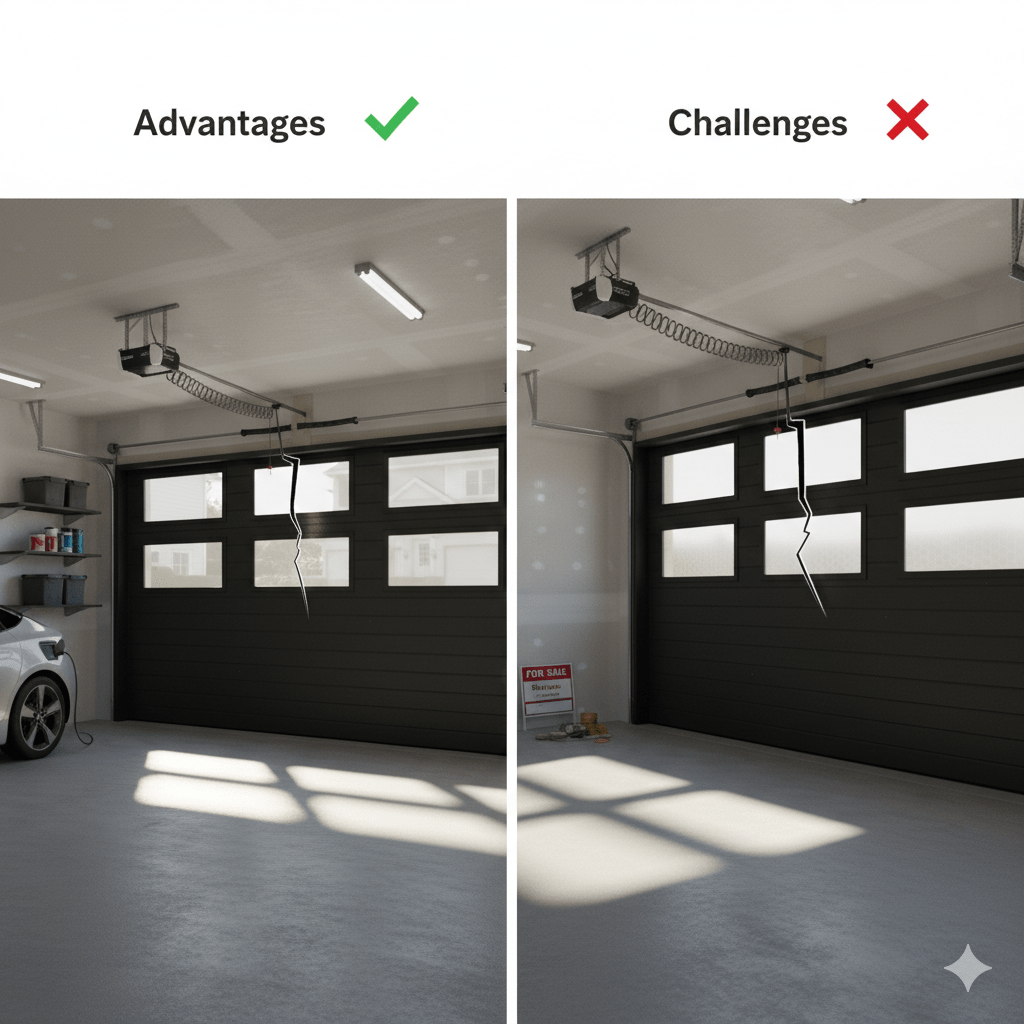
The advantages of installing insulated garage door windows are numerous. The most immediate benefit is natural light, which makes the garage more inviting and reduces the need for artificial lighting during the day. The thermal efficiency is the other major pro; maintaining a moderate temperature protects your car batteries, paints, and other stored chemicals. Furthermore, insulated garage door windows can significantly boost curb appeal, giving your home a custom, high-end look that standard doors lack.
However, there are challenges to consider. The primary challenge is the added weight. Glass is heavy, and double-pane glass is twice as heavy. Adding a row of insulated garage door windows can disrupt the precise balance of your garage door spring system. This often necessitates a spring adjustment or replacement, which adds to the cost and complexity. Another challenge is cost; insulated garage door windows are considerably more expensive than single-pane options, increasing the budget for the renovation.
Maintenance is another factor. While insulated garage door windows reduce condensation, seal failure is a possibility over time. If the seal between the panes fails, moisture can get inside the unit, causing fogging that cannot be cleaned. This is a common issue with all thermal windows, not just those in garages. Despite these challenges, most homeowners find that the benefits of light, style, and energy savings provided by insulated garage door windows far outweigh the potential downsides.
Technical Analysis of Energy Efficiency
To truly understand the performance of this upgrade, we must look at the technical aspects. This section covers four specific topics regarding the functionality of the system.
How to insulate a garage door with windows
If you have single-pane windows, you can improve them without full replacement. Window film kits can be applied to the glass to reflect heat. Alternatively, adding a layer of clear acrylic over the existing window frame on the inside creates a DIY air pocket, mimicking the effect of insulated garage door windows. This secondary glazing method is cost-effective and improves the R-value.
Does insulation work for a garage door with windows
Yes, but the windows are the weak point. An insulated door with an R-value of 18 will perform significantly worse if it has single-pane glass. The heat bypasses the foam insulation and exits through the glass. Installing insulated garage door windows closes this thermal loophole, allowing the insulation in the surrounding steel panels to do its job effectively.
How energy efficient are insulated garage doors with windows
A door with insulated windows typically maintains a U-factor (the rate of heat loss) much lower than one without. While a solid insulated door is technically the most efficient, insulated garage door windows use Low-E glass and argon gas to come very close to the performance of the solid panel. They provide the best balance of efficiency and light.
Garage door replacement panels with windows
Sometimes the best route is replacing the entire top panel. Manufacturers sell “top sections” pre-loaded with insulated garage door windows. This ensures a factory seal and perfect color match. It eliminates the risk of cutting holes incorrectly and is often the preferred method for upgrading to insulated garage door windows on newer door models.
FAQ : Garage door windows
What is the best R-value for garage door windows?
The R-value of the window itself is usually lower than the door, often ranging from R-3 to R-4 for high-quality units. However, when looking for insulated garage door windows, focus on the U-factor. A lower U-factor indicates better insulation. The best units use double-strength glass with a Low-E coating.
Do insulated windows reduce outside noise?
Yes, significantly. The dual-pane construction of insulated garage door windows creates a sound dampening barrier. The air or gas trapped between the panes disrupts sound waves, making them an excellent choice for homes near highways or busy neighborhoods.
Can I tint my insulated garage door windows?
You can, but you must be careful. Applying dark after-market tint to double-pane insulated garage door windows can cause heat buildup between the panes, potentially leading to seal failure or glass breakage. It is better to purchase windows that come with a factory tint or frosted finish.
How do I clean insulated garage door windows?
Clean them just like any other window in your home. Use a mild soap and water solution or a non-abrasive glass cleaner. Avoid high-pressure washers, as the force can damage the seals of the insulated garage door windows. Wipe them down with a soft microfiber cloth to prevent scratching the glass surface.
Will adding windows void my door warranty?
If you cut holes in the panels yourself to install insulated garage door windows, you will likely void the warranty on those panels regarding rust or structural failure. However, if you replace the top section with a factory-approved panel containing insulated garage door windows, your warranty usually remains intact. Always check your manufacturer’s documentation first.
Conclusion
Upgrading to insulated garage door windows is a smart, multifaceted home improvement project. It addresses the practical needs of energy efficiency and climate control while simultaneously enhancing the visual appeal of your property. By understanding the types of glass available, the installation requirements, and the long-term benefits, you can make an informed decision that adds value to your home. Whether you choose to retrofitting your current door or invest in a replacement section, the result is a brighter, more comfortable garage space.
The journey to finding the perfect insulated garage door windows involves measuring, budgeting, and deciding between DIY and professional installation. However, the payoff is immediate. You will notice the difference in temperature regulation and noise reduction as soon as the project is complete. As energy standards tighten and homeowners seek to maximize every square foot of their living space, insulated garage door windows stand out as a logical and effective upgrade.
Ultimately, your garage is more than just a storage unit; it is an extension of your home. Treating it with the same care you give your living room windows makes sense. Insulated garage door windows offer the perfect blend of form and function, proving that you don’t have to sacrifice style to achieve superior energy efficiency. Take the step today to transform your garage into a brighter, warmer, and more efficient part of your daily life.
Other Resources
Garage Door Land – Product collection featuring garage door windows and decorative door inserts.
Menards – Ideal Door Insulated Garage Door with Windows – Product page detailing an insulated garage door model with built-in windows.
Home Depot – Insulated Garage Doors – Category page listing insulated garage doors for residential use.
Other Helpful Articles
Cost to Repair Garage Door Springs – Article outlining pricing factors for garage door spring repairs.
Garage Door Insulation – Guide explaining garage door insulation options and benefits.
16 x 8 Garage Door Insulated – Article describing features and considerations for 16×8 insulated garage doors.