
Garage Door Insulation: Amazing Benefits
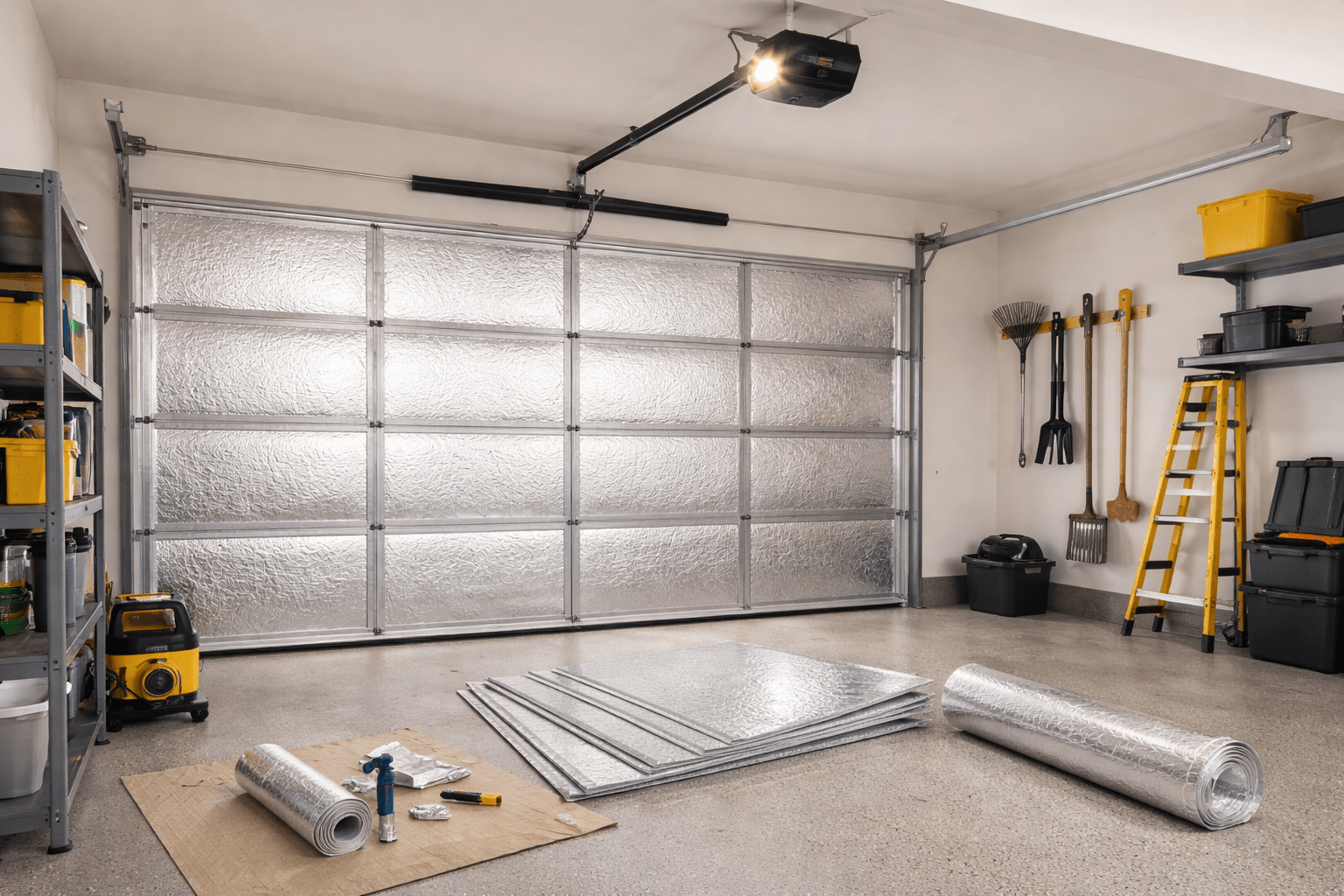
Garage Door Insulation: Complete Guide to Energy Savings and Comfort
Garage door insulation is a cost-effective solution that transforms your garage into a more comfortable, energy-efficient space while reducing heating and cooling expenses throughout your home. Whether you own an attached garage that impacts your home’s temperature or a detached workshop requiring climate control, proper garage door insulation delivers measurable benefits year-round. This comprehensive guide explores everything from basic concepts to professional installation techniques, helping homeowners make informed decisions about garage door insulation for their specific needs.
Many homeowners overlook the importance of garage door insulation, yet it plays a crucial role in maintaining consistent temperatures and protecting valuable items stored in the garage. An uninsulated garage door allows extreme outdoor temperatures to penetrate your space, forcing HVAC systems to work harder and increasing energy bills substantially. Understanding how garage door insulation works and the various options available empowers you to choose the right solution for your climate, budget, and usage patterns.
What Is Garage Door Insulation
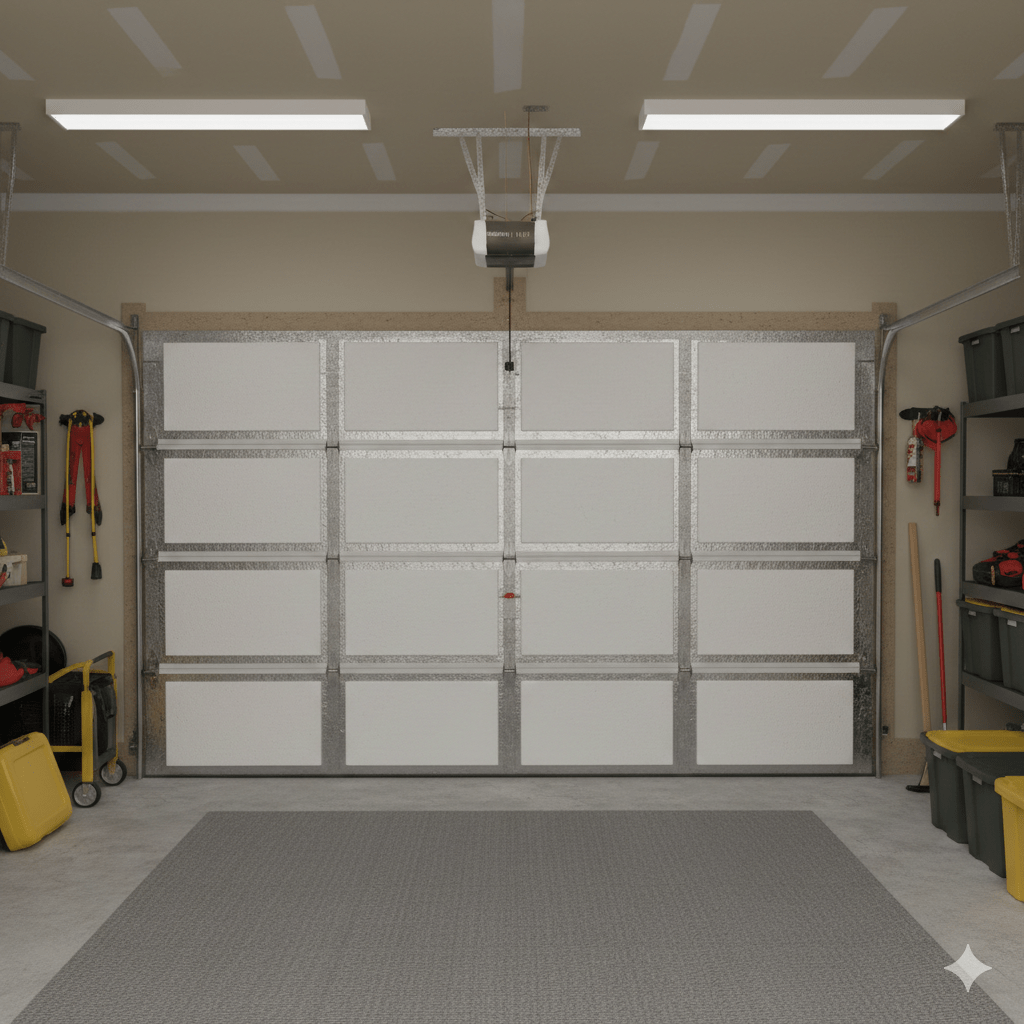
Garage door insulation involves adding specialized materials to door panels that reduce heat transfer between your garage interior and the outdoor environment. These insulating materials create a thermal barrier that resists the flow of heat, maintaining more stable temperatures inside your garage regardless of external weather conditions. Common garage door insulation materials include polystyrene foam panels and polyurethane foam, both offering low thermal conductivity that prevents warm air from escaping during winter and blocks excessive heat from entering during summer.
The effectiveness of garage door insulation is measured using R-value, which indicates the material’s resistance to heat flow. Higher R-values provide better insulation performance, with typical garage door insulation ranging from R-8 to R-18 depending on material type and thickness. Polystyrene insulation consists of rigid foam panels inserted into door sections, while polyurethane insulation is injected directly into door panels, expanding to fill all gaps and creating superior thermal performance.
Garage door insulation not only regulates temperature but also adds structural strength to door panels, making them more resistant to dents and damage from everyday use. The additional material dampens sound transmission, resulting in quieter door operation that minimizes disruptive noise when opening or closing. For attached garages, garage door insulation prevents temperature extremes from affecting adjacent living spaces, improving overall home comfort and HVAC efficiency.
How to Find Quality Garage Door Insulation
Finding quality garage door insulation requires evaluating several key factors including material type, R-value rating, compatibility with your existing door, and manufacturer reputation. Start by assessing your garage door’s construction—steel doors with panel recesses accept insulation kits easily, while solid doors may require professional insulation solutions. Research reputable brands that specialize in garage door insulation products, reading customer reviews and checking for warranty coverage that protects your investment.
Visit local home improvement stores where you can examine garage door insulation kits firsthand, comparing material thickness, installation hardware, and included accessories. Many retailers offer expert staff who can recommend appropriate garage door insulation based on your climate zone, garage usage, and budget constraints. Online marketplaces provide extensive product selections with detailed specifications, allowing you to compare garage door insulation options and read verified customer feedback before purchasing.
Consult with professional garage door companies that offer both insulated door replacements and retrofit insulation services for existing doors. These specialists can assess your current garage door condition, measure precise dimensions, and recommend optimal garage door insulation solutions tailored to your specific requirements. Request multiple quotes comparing material costs, R-values, and installation services to ensure you receive competitive pricing for quality garage door insulation.
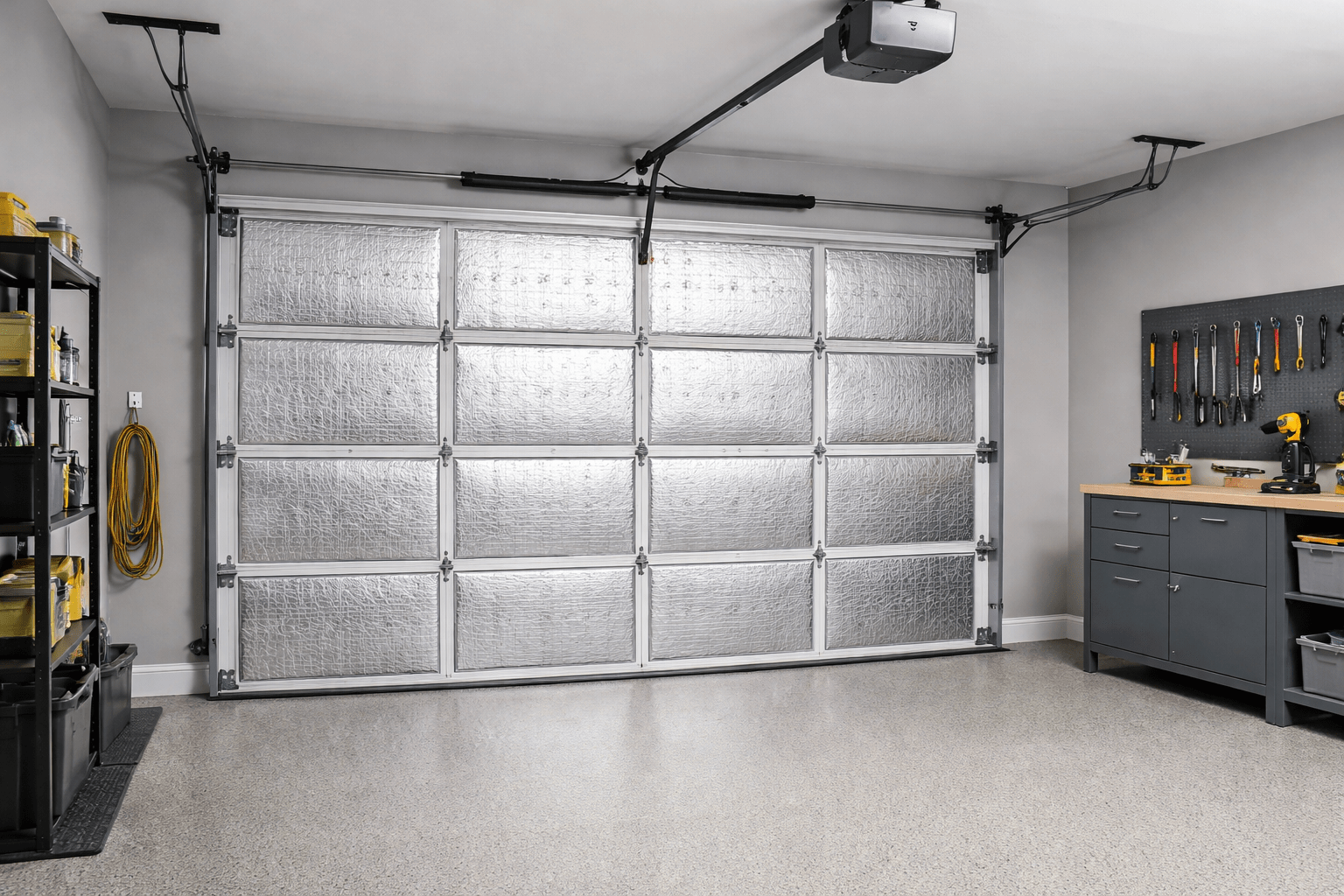
How Much Does Garage Door Insulation Cost
Garage door insulation costs vary significantly based on whether you choose DIY retrofit kits or professional installation of pre-insulated doors. DIY garage door insulation kits range from $50 to $200, offering an economical solution for homeowners comfortable with basic installation projects. These kits typically include polystyrene foam panels, fiberglass batts, or reflective barrier foil along with adhesive tape and installation instructions.
Professional installation of a new insulated garage door costs between $750 and $1,900 for a single-car door, or $1,500 to $3,700 for a double-car door, including both materials and labor. The door itself accounts for $600 to $3,000 depending on size, style, brand, and insulation type, while labor adds $150 to $500 for single doors or $300 to $700 for double doors. Premium materials like wood composite or custom designs can push total garage door insulation project costs upward of $9,000 for three-car garages with high-end specifications.
Several factors influence garage door insulation pricing including door size, R-value rating, material selection, and regional labor rates. Higher R-value garage door insulation provides superior energy efficiency but commands premium pricing compared to basic insulation options. Consider the long-term value when evaluating garage door insulation costs, as energy savings and increased home value often offset initial investment within several years.
Why Choose Garage Door Insulation
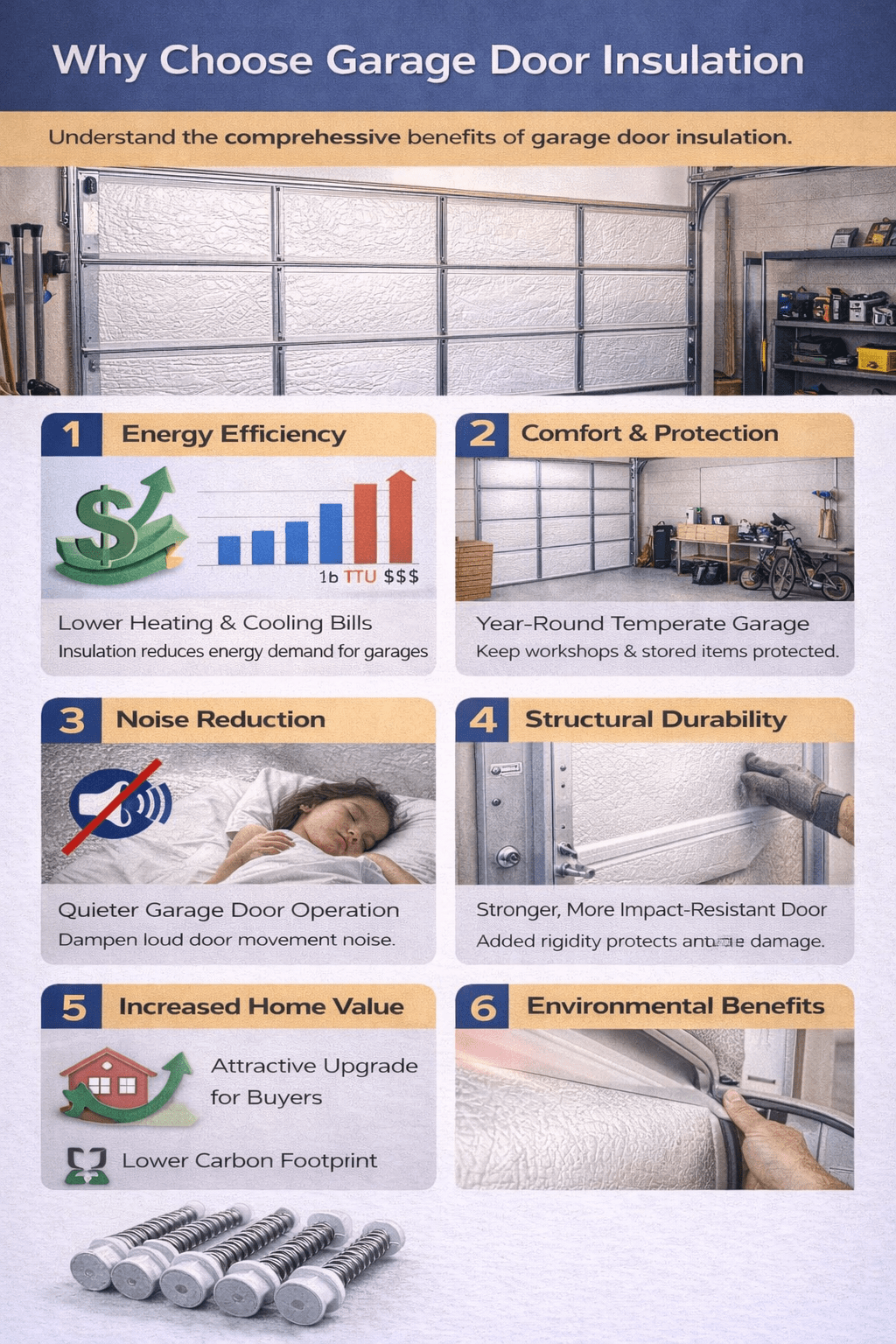
Choosing garage door insulation delivers multiple compelling benefits that extend far beyond simple temperature control. Energy efficiency ranks among the primary reasons homeowners invest in garage door insulation, as the thermal barrier reduces heating and cooling demands for attached garages, lowering utility bills month after month. For garages used as workshops, gyms, or storage areas for temperature-sensitive items, garage door insulation maintains comfortable working conditions year-round.
Noise reduction represents another significant advantage of garage door insulation, as the added material dampens vibrations and mechanical sounds during door operation. This benefit proves especially valuable for attached garages where loud door movement can disrupt household activities or disturb sleeping family members. Garage door insulation also enhances structural durability by adding thickness and rigidity to door panels, making them more resistant to dents, dings, and damage from impacts.
Increased home value provides a financial incentive for installing garage door insulation, as energy-efficient upgrades appeal strongly to prospective buyers during home sales. The connection between your garage and living space makes garage door insulation particularly important for attached configurations, where uninsulated doors allow temperature extremes to penetrate adjacent rooms. Environmental considerations also motivate homeowners to choose garage door insulation, as reduced energy consumption lowers carbon footprint and supports sustainability goals.
How Long Does Garage Door Insulation Last
Garage door insulation typically lasts 15 to 30 years when properly installed and maintained, matching or exceeding the lifespan of the garage door itself. Pre-insulated doors with factory-installed polyurethane foam offer the longest durability, as the insulation is permanently bonded within door panels during manufacturing. Retrofit garage door insulation kits using polystyrene panels or foam board may require occasional inspection and reattachment if adhesive loosens over time.
The longevity of garage door insulation depends on several factors including material quality, installation technique, climate conditions, and door usage frequency. High-quality polyurethane garage door insulation maintains its R-value and structural integrity longer than lower-grade materials that may compress, crack, or degrade. Proper installation ensures garage door insulation remains securely attached without interfering with door mechanisms or causing operational issues that could lead to premature wear.
Regular maintenance extends garage door insulation lifespan by addressing minor issues before they escalate into major problems. Inspect garage door insulation annually for signs of moisture damage, separation from door panels, or compression that reduces thermal performance. Addressing these concerns promptly preserves the energy efficiency and comfort benefits that motivated your original garage door insulation investment.
How to Insulate a Garage Door
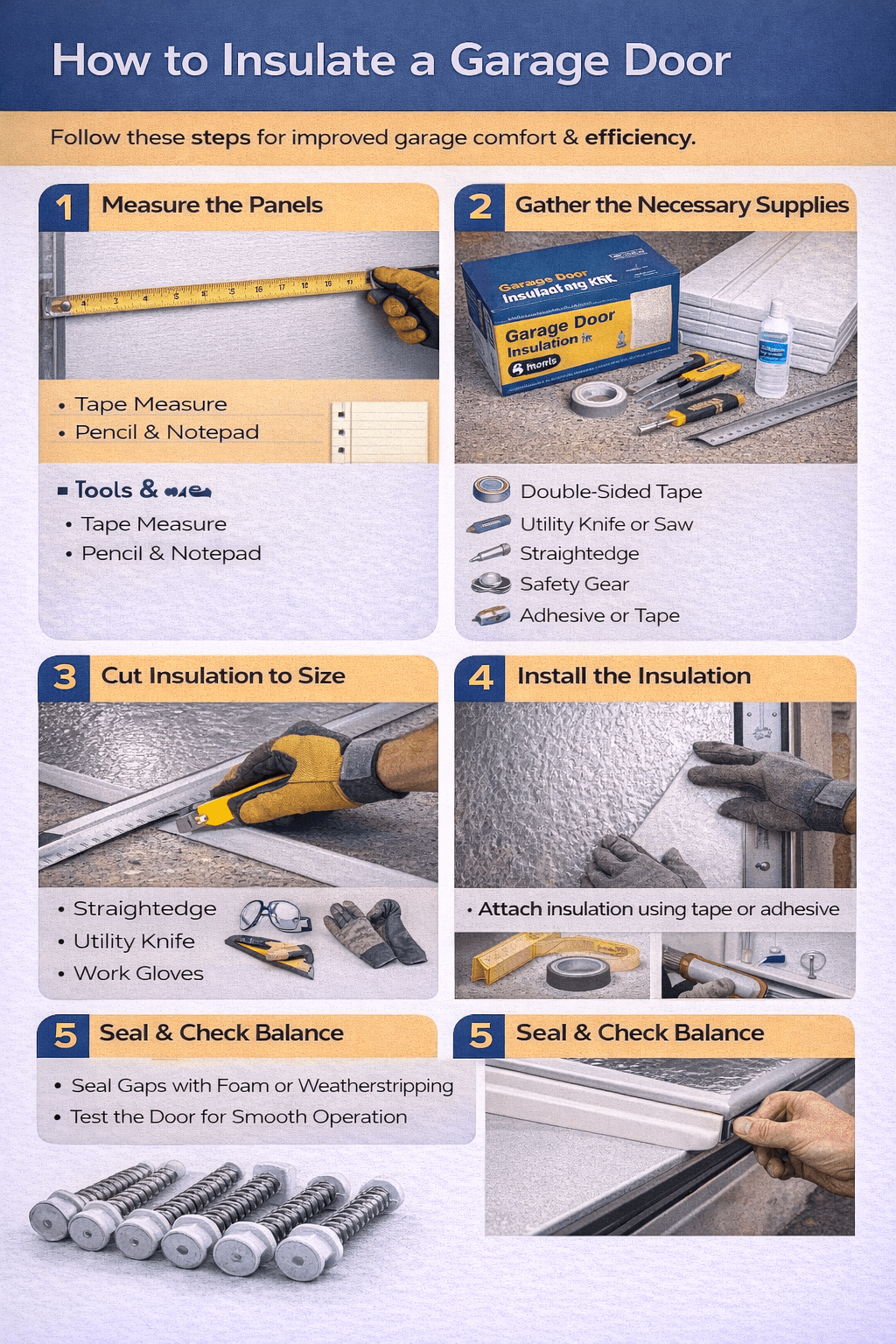
Installing garage door insulation yourself represents an achievable weekend project that delivers immediate comfort and energy savings. Begin by measuring each door panel cavity accurately, as precise dimensions ensure your garage door insulation fits snugly without gaps that compromise thermal performance. Purchase a complete garage door insulation kit containing pre-cut foam panels or rigid foam board along with adhesive tape, or buy materials separately for custom-sized applications.
Gather necessary tools including a tape measure, utility knife or saw, straightedge for cutting, double-sided tape or construction adhesive, safety goggles, and work gloves. Clean door panel surfaces thoroughly with isopropyl alcohol to remove dirt, dust, and oils that prevent proper adhesive bonding. Cut your garage door insulation material to match panel dimensions, making clean cuts with a sharp utility knife guided by a straightedge for professional results.
Apply double-sided tape or construction adhesive to door panel interiors, following manufacturer instructions for proper coverage and curing time. Press garage door insulation firmly into each panel cavity, ensuring complete contact with adhesive surfaces and no air gaps around edges. For panels with retaining pins or clips, insert these fasteners through the garage door insulation to secure material permanently within the frame. Seal any remaining gaps with weatherstripping or expanding foam sealant to maximize thermal efficiency.
Test your garage door operation after installing garage door insulation by opening and closing several times to confirm smooth movement without binding or unusual noises. The added weight of garage door insulation is minimal, typically adding only 2 pounds per panel, so existing door openers should function normally. If door balance seems affected, consult a professional to adjust spring tension appropriately for optimal performance.
Do It Yourself Garage Door Insulation Kit
DIY garage door insulation kits provide homeowners with all necessary materials and instructions for successful retrofit projects completed in just a few hours. These comprehensive packages typically include pre-cut polystyrene foam panels sized for standard garage door dimensions, double-sided adhesive tape, retaining clips, and detailed installation guides. The convenience of garage door insulation kits eliminates guesswork in material selection and simplifies the purchasing process compared to buying components separately.
Most garage door insulation kits are designed for standard single or double-wide doors, so measure your specific door dimensions before purchasing to ensure proper fit. Popular kit brands offer varying R-values ranging from R-8 to R-10, providing adequate thermal performance for most climates at affordable price points between $50 and $200. While garage door insulation kits deliver noticeable improvements in temperature control and noise reduction, they typically provide lower R-values than factory-insulated doors with injected polyurethane foam.
The lightweight construction of garage door insulation kits means minimal impact on existing door balance and opener operation, making them ideal for retrofit applications. Installation rarely requires special skills or expensive tools, allowing average homeowners to complete the project confidently using basic hand tools. One limitation of garage door insulation kits is that they only improve door thermal performance; comprehensive energy efficiency requires insulating garage walls and ceiling as well.
Garage Door Insulated Panels
Garage door insulated panels represent the premium option for maximum thermal efficiency, durability, and long-term performance. These factory-assembled panels feature steel or aluminum exterior skins sandwiching a continuous layer of polyurethane or polystyrene foam insulation. The manufacturing process bonds garage door insulated panels under controlled conditions, ensuring complete foam coverage without gaps or voids that compromise R-value ratings.
Polyurethane-insulated panels achieve higher R-values (typically R-16 to R-18) compared to polystyrene alternatives (R-8 to R-10) due to superior cellular structure and thermal resistance properties. The injected polyurethane foam expands to fill panel cavities completely, creating a solid core that enhances garage door insulated panels’ structural strength and resistance to denting. This construction method produces doors that operate more quietly than uninsulated alternatives while providing decades of maintenance-free thermal performance.
Garage door insulated panels come in various architectural styles including raised panel, carriage house, and contemporary designs that complement any home exterior. Manufacturers offer extensive color selections, window configurations, and decorative hardware options allowing you to customize insulated panels to match your aesthetic preferences. While garage door insulated panels cost more initially than retrofit insulation kits, the superior energy efficiency, durability, and curb appeal justify the investment for many homeowners.
Insulated Garage Doors Prices
Insulated garage doors prices reflect multiple variables including door size, material composition, R-value rating, style selection, and manufacturer brand. Entry-level insulated garage doors start around $600 for basic steel single-car models with polystyrene insulation, while premium polyurethane-insulated doors can exceed $3,000 for double-car sizes. Material choice significantly impacts insulated garage doors prices, with steel being most affordable, aluminum commanding moderate pricing, and wood composite representing the highest-end option up to $4,800.
Installation labor adds $300 to $700 to total project costs, covering old door removal, new track installation, opener connection, and weatherstripping application. Complete insulated garage doors prices including both materials and professional installation typically range from $1,100 to $4,200, with average projects settling around $1,500. Specialty features like custom colors, decorative windows, smart opener technology, or oversized dimensions for three-car garages can push insulated garage doors prices beyond $9,000.
Regional market conditions influence insulated garage doors prices, with urban areas and regions experiencing high construction demand commanding premium rates. Seasonal promotions from manufacturers and installers often provide opportunities to secure reduced insulated garage doors prices during slower business periods. When evaluating insulated garage doors prices, consider long-term value including energy savings, reduced maintenance, enhanced curb appeal, and increased home resale value that offset initial investment.
How to Install Garage Door Insulation Professionally
Professional installation of garage door insulation ensures optimal thermal performance, proper door balance, and warranty protection that DIY approaches may not provide. Licensed contractors possess specialized knowledge of door mechanics, insulation materials, and building codes that guarantee safe, effective installations. The professional process begins with comprehensive assessment of your existing door condition, structural integrity, and suitability for insulation upgrades.
Experienced installers accurately measure door dimensions and recommend appropriate garage door insulation products based on your climate zone, garage usage patterns, and budget parameters. They source premium materials through industry suppliers, often accessing professional-grade garage door insulation options unavailable to retail consumers. Professional installation includes proper surface preparation, precision cutting of insulation materials, and expert application of adhesives or mechanical fasteners for permanent attachment.
Contractors also adjust door spring tension to accommodate added insulation weight, ensuring smooth operation and preventing premature opener motor failure. Professional installation of garage door insulation typically carries labor warranties covering workmanship defects for one to five years depending on the company. For complete door replacement projects, professionals coordinate all aspects including disposal of old doors, installation of new insulated panels, track alignment, opener programming, and weatherstripping application.
Should I Insulate My Garage Door
Deciding whether to insulate your garage door depends on several factors including garage location, usage patterns, climate conditions, and energy efficiency goals. Homeowners with attached garages benefit most from garage door insulation, as the thermal barrier prevents temperature extremes from penetrating adjacent living spaces. If you use your garage as a workshop, home gym, hobby area, or storage space for temperature-sensitive items, garage door insulation dramatically improves comfort and protects your belongings.
Climate considerations play a crucial role in determining garage door insulation value, with extreme temperature regions experiencing the most significant benefits. Cold climates require garage door insulation to prevent heat loss that forces HVAC systems to work harder maintaining comfortable home temperatures. Hot climates also benefit from garage door insulation that blocks excessive heat gain, reducing cooling demands and protecting vehicles and stored items from damaging high temperatures.
Budget-conscious homeowners should compare garage door insulation costs against projected energy savings to calculate return on investment timelines. Most garage door insulation projects pay for themselves within 3 to 7 years through reduced utility bills, with continued savings accruing throughout the door’s remaining lifespan. Additional benefits including noise reduction, increased durability, enhanced home value, and improved comfort often make garage door insulation worthwhile even when energy savings alone don’t justify the expense.
Can I Add Insulation to an Existing Garage Door
You can definitely add insulation to an existing garage door using retrofit kits designed specifically for this purpose. Retrofit garage door insulation projects offer a cost-effective alternative to complete door replacement when your existing door remains structurally sound and operates properly. Most steel garage doors with recessed panels accept insulation kits easily, while older flat doors may require alternative insulation approaches or professional evaluation.
Successful retrofit garage door insulation requires adequate panel depth to accommodate insulation material without interfering with door mechanisms or causing binding. Measure panel depth carefully before purchasing insulation kits, ensuring sufficient clearance for material thickness plus adhesive layers. Some door designs incorporate internal bracing or hardware that limits available space for retrofit garage door insulation, necessitating customized solutions.
While retrofit garage door insulation improves thermal performance noticeably, it typically achieves lower R-values than factory-insulated doors with injected polyurethane foam. The DIY-friendly nature of retrofit projects makes them attractive for budget-conscious homeowners willing to invest a few hours for meaningful energy savings. Consider complementary upgrades like weatherstripping replacement and garage wall insulation to maximize overall energy efficiency when adding retrofit garage door insulation.
Advantages and Challenges of Garage Door Insulation
Garage door insulation offers numerous advantages that make it one of the most cost-effective home improvement projects for energy efficiency and comfort. Primary benefits include reduced energy bills through decreased heating and cooling demands, with savings of 10 to 20 percent for attached garages in extreme climates. Enhanced comfort transforms garages into usable living spaces suitable for workshops, gyms, or hobby areas regardless of outdoor temperatures.
Noise reduction ranks among the most appreciated advantages of garage door insulation, particularly for attached garages where loud door operation disrupts household activities. Structural improvements result from added insulation thickness that reinforces door panels against dents, dings, and damage from everyday impacts. Increased home value provides long-term financial returns as prospective buyers recognize the benefits of garage door insulation when evaluating properties.
Challenges associated with garage door insulation include upfront costs that may seem substantial for homeowners on tight budgets. DIY installation requires basic skills, appropriate tools, and several hours of careful work to achieve professional-quality results. Retrofit garage door insulation adds weight to existing doors, potentially requiring spring tension adjustments or opener motor upgrades for optimal performance. Some older door designs lack suitable panel configurations for retrofit insulation, necessitating complete door replacement to achieve desired thermal performance.
Frequently Asked Questions : Garage door insulation
How much does garage door insulation reduce energy costs?
Garage door insulation can reduce energy costs by 10 to 20 percent for attached garages in extreme climates, with actual savings depending on garage size, insulation R-value, climate conditions, and home HVAC efficiency. Detached garages experience minimal home energy savings but provide improved comfort for garage activities.
What R-value do I need for garage door insulation?
Most garage door insulation applications benefit from R-8 to R-18 ratings, with R-8 to R-10 suitable for moderate climates and R-16 to R-18 recommended for extreme temperature regions. Higher R-values provide better thermal performance but cost more than basic garage door insulation options.
Can garage door insulation be installed in one day?
Yes, DIY garage door insulation projects using retrofit kits typically require 2 to 4 hours for completion by average homeowners with basic tools. Professional installation of new insulated doors takes 3 to 6 hours depending on door size and complexity.
Does garage door insulation work in hot climates?
Absolutely, garage door insulation blocks heat transfer in both directions, preventing excessive outdoor heat from penetrating your garage during summer months while maintaining cooler interior temperatures. This protection proves especially valuable for garages storing vehicles, electronics, or temperature-sensitive items.
Will garage door insulation affect my door opener?
Most garage door insulation adds only 2 to 5 pounds per door, which rarely affects existing opener performance. However, older or underpowered openers may benefit from spring tension adjustment or motor upgrade when adding substantial insulation weight.
How do I maintain garage door insulation?
Garage door insulation requires minimal maintenance beyond annual visual inspections for signs of separation, moisture damage, or compression. Clean door surfaces periodically and ensure weatherstripping remains intact to preserve thermal efficiency.
Is professional installation worth the extra cost?
Professional installation guarantees proper thermal performance, maintains manufacturer warranties, and includes necessary door adjustments that DIY projects may overlook. The added cost proves worthwhile for homeowners uncomfortable with tools or when installing complete insulated door replacements.
Can I insulate a wooden garage door?
Yes, wooden garage doors can be insulated using rigid foam board cut to fit panel dimensions and secured with construction adhesive. However, wood’s natural insulating properties provide some thermal resistance even without additional garage door insulation materials.
Conclusion
Garage door insulation represents a smart investment that delivers measurable benefits including reduced energy costs, enhanced comfort, quieter operation, and increased home value. Whether you choose affordable DIY retrofit kits or premium factory-insulated door replacements, garage door insulation significantly improves your garage’s thermal performance and usability. The variety of garage door insulation options ensures solutions exist for every budget, climate zone, and performance requirement.
Successful garage door insulation projects begin with careful assessment of your specific needs, climate conditions, and garage usage patterns. Research available materials, compare costs, and decide between DIY retrofit approaches or professional installation based on your skills and budget. Remember that garage door insulation works best as part of a comprehensive strategy including wall and ceiling insulation plus proper weatherstripping.
The long-term value of garage door insulation extends far beyond immediate energy savings to include structural durability, noise reduction, and environmental responsibility. As energy costs continue rising and homeowners prioritize sustainability, garage door insulation remains one of the most cost-effective upgrades available. Take action today to transform your garage into a more comfortable, efficient space that protects your vehicles, belongings, and overall home comfort year-round.
Other Resources
Home Depot – Cellofoam Garage Door Insulation Kit – Product page featuring an 8-piece garage door insulation kit for improving thermal efficiency.
Reddit – Garage Insulation Discussion – Community discussion sharing experiences and advice on garage insulation projects.
Fine Homebuilding Forum – Forum thread discussing DIY approaches to garage door insulation.
Other Helpful Articles
Off-Track Garage Door Repair – Guide explaining causes and repair methods for off-track garage doors.
Garage Door Keypad Not Working Easy Fixes – Article covering common keypad issues and troubleshooting steps.
Fiberglass Garage Doors – Informational page describing fiberglass garage door features and benefits.
Cost to Repair Garage Door Springs – Article outlining pricing factors for garage door spring repairs.