
Garage Door Springs: Great Ways to Fix It
Garage Door Springs: Smart Repair Steps
The most critical component of your overhead door system is often the most overlooked until something goes wrong with the garage door springs. These heavy-duty coils do the heavy lifting every time you leave for work or return home. Without them, the opener would struggle, burn out, or fail completely to lift the heavy panels. Understanding how these components function is essential for any homeowner who wants to maintain a safe and efficient home.
Many people assume the electric opener does all the work, but the garage door springs are the true muscle behind the operation. They counterbalance the weight of the door, making it light enough for the motor—or a human—to lift with ease. When they break, the system becomes dangerous. This guide covers everything you need to know, from identification and costs to installation and maintenance.
What Is the Purpose of This Hardware?
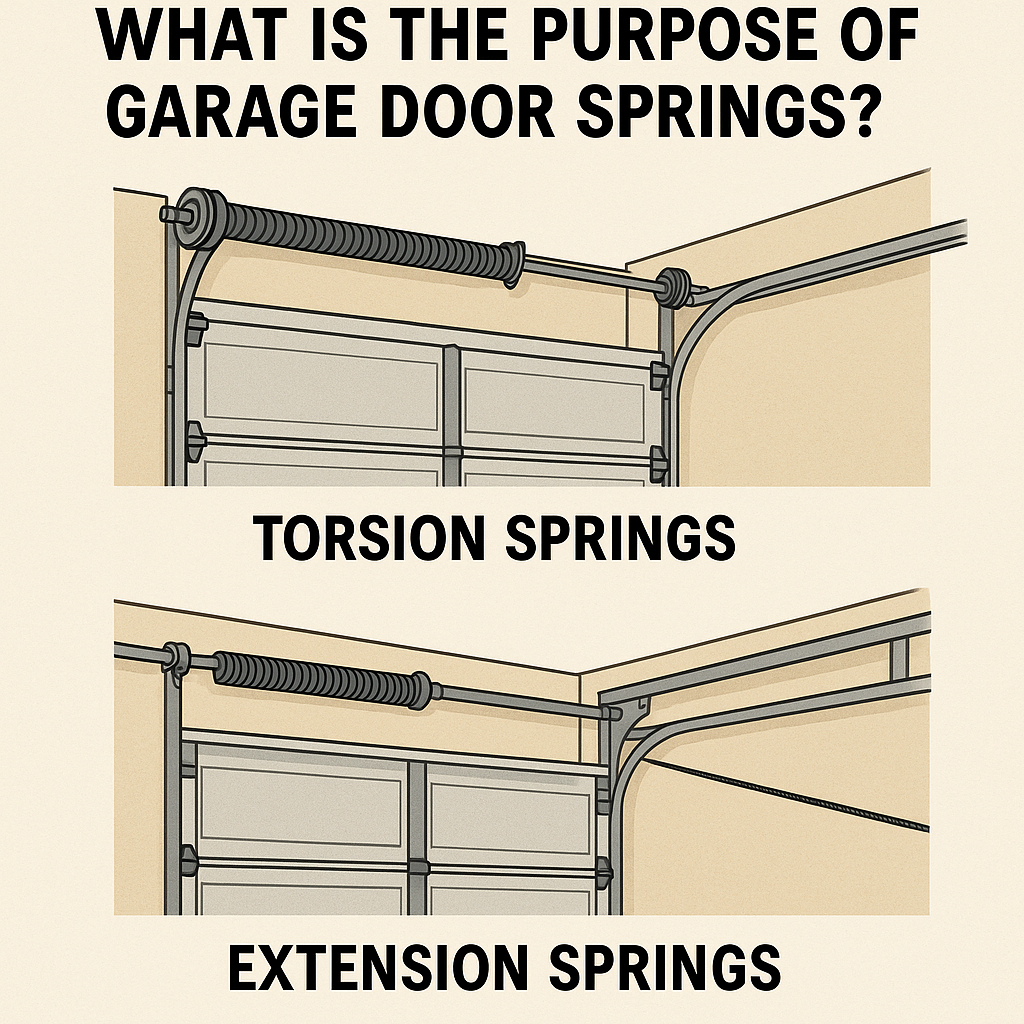
At its core, the system relies on torsion or extension physics. Garage door springs are steel coils designed to store and release energy. When the door is closed, the springs are under immense tension. As the door opens, that tension is released, helping to lift the weight. Conversely, as the door closes, the tension builds up again, controlling the descent so the door doesn’t slam shut.
There are generally two main types found in residential homes:
Torsion Springs: Mounted horizontally above the door opening. They wind and unwind to create torque.
Extension Springs: Located on either side of the upper tracks. They stretch and contract to provide lift assistance.
Understanding which type you have is the first step in maintenance. Torsion systems are generally considered safer and longer-lasting, while extension systems are common in older homes or smaller garages. Regardless of the type, garage door springs operate under high pressure, making safety a priority during any inspection.
How to Find the Right Springs
Finding the correct replacement parts requires precision. You cannot simply guess the size or strength. If you install garage door springs that are too weak, the door will feel heavy and the opener will struggle. If they are too strong, the door might not close completely or could fly up uncontrollably, causing injury or damage.
To find the right match, you need to measure the existing wire gauge, the inside diameter, and the overall length of the coil.
Pro Tip: Measure 20 coils and divide by 20 to get the exact wire diameter. This is often more accurate than measuring a single strand.
Checking the winding direction is also crucial for torsion setups. The winding is specific to the left or right side of the mount. When searching for garage door springs online or at a hardware store, always bring the old spring or detailed measurements with you. Most suppliers have color codes painted on the ends of the coils to indicate lift capacity, which simplifies the buying process.
How to Buy Quality Parts
When you are ready to purchase garage door springs, quality matters significantly. Cheap, low-grade steel will fatigue quickly, leading to another break sooner than you’d like. Look for oil-tempered springs or galvanized options if you live in a humid environment where rust is a concern.
There are three main avenues for purchasing:
Online Retailers: Often the cheapest option, but you must be 100% sure of your measurements.
Local Hardware Stores: They carry standard sizes but might not have specific heavy-duty options.
Professional Door Dealers: They sell high-cycle garage door springs that are rated for 20,000 cycles or more, compared to the standard 10,000 cycles.
Buying “high-cycle” springs is an investment. While they cost slightly more upfront, they last years longer, reducing the hassle of future replacements. Always check the warranty offered by the manufacturer. A solid warranty is a good indicator that the garage door springs are built to withstand daily use.
What Is the Cost of Replacement?
Budgeting for repairs is a common concern. The price of garage door springs varies depending on the type, size, and whether you hire a professional. For a DIY project, a pair of torsion springs typically costs between $80 and $150. Extension springs are cheaper, usually ranging from $50 to $100 per pair.
However, if you hire a professional, labor costs will increase the total bill. A full professional replacement service generally costs between $200 and $400. This price usually includes the garage door springs, labor, and a safety inspection of the entire system.
While doing it yourself saves money, the risk factor is high. Many homeowners decide that the extra $150 for labor is worth the peace of mind, knowing the garage door springs were installed safely and correctly.
How Long Do They Last?
The lifespan of your hardware is measured in cycles, not years. One cycle is defined as the door going up and coming back down once. Standard builder-grade garage door springs are rated for about 10,000 cycles.
If you use your garage door as the main entry point to your home:
2 times a day: approx. 13-14 years
4 times a day: approx. 7 years
6 times a day: approx. 5 years
Factors like humidity, lack of maintenance, and poor installation can shorten this lifespan. If you hear squeaking or notice gaps in the coils, the garage door springs are likely nearing the end of their life. Investing in extended-life springs rated for 20,000+ cycles can effectively double these timeframes, making them a smart choice for busy households.
How to Install Torsion and Extension Systems
Installation is the most dangerous part of the process. For extension springs, the process involves securing the door in the open position to relieve tension. You then disconnect the safety cables and pulleys, remove the old spring, and hook in the new one. Always install a safety cable through the center of extension garage door springs; this prevents the spring from becoming a projectile if it snaps.
Torsion spring installation is more complex. It requires winding bars and a steady hand.
Lock the door down securely so it cannot move.
Unwind the old spring using winding bars (never use screwdrivers).
Slide the old unit off the torsion tube.
Slide the new garage door springs onto the tube.
Tighten the set screws and wind the spring the specific number of turns required for your door height.
If you are unsure at any step, stop immediately. The tension held in garage door springs is enough to cause severe injury.
Detailed Guide on Replacement and Adjustment
The following section breaks down specific technical tasks related to fixing your system.
How to Replace the Spring on Garage Door
When learning how to replace the spring on garage door hardware, safety is paramount. You must unplug the electric opener to prevent accidental activation. Secure the door with C-clamps or locking pliers on the track. For torsion systems, insert a winding bar into the cone. Hold the bar firm, loosen the set screws, and unwind the tension one quarter-turn at a time. Once all tension is removed, you can unbolt the center bracket and slide the springs off. Reverse this process for installation. Always replace both springs at once; if one has broken, the other is likely close to failure.
Garage Door Spring Replacement
A successful garage door spring replacement requires balancing the door afterward. Once the new springs are installed and wound, lift the door manually to waist height. If it stays in place, the balance is good. If it flies up, the springs are too tight. If it crashes down, they are too loose. Correct garage door spring replacement ensures the opener doesn’t work too hard, prolonging the life of your motor.
How to Adjust Garage Door Springs
Over time, steel relaxes, and you may need to know how to adjust garage door springs to restore balance. For extension springs, this usually involves moving the hook to a different hole on the track hanger to increase tension. For torsion springs, you must use winding bars to add a quarter-turn of tension at a time. Never attempt to learn how to adjust garage door springs without the proper tools, as a slipping tool can result in serious hand or facial injuries.
Garage Door Spring Replacement Cost
As mentioned, the garage door spring replacement cost fluctuates based on geography and parts. Expect to pay a premium for high-cycle springs or coated springs that resist rust. If your system is a “TorqueMaster” (springs hidden inside a tube), the garage door spring replacement cost will be higher due to the specialized hardware and labor required. Always get a quote upfront that includes disposal of the old parts and a warranty on the labor.
How to Clean and Maintain
Maintenance is the key to longevity. Dirty or dry garage door springs create friction, which leads to metal fatigue. You should clean them at least twice a year.
Use a soft brush or a rag to wipe away dust, cobwebs, and grime. Once clean, apply a high-quality lubricant. Do not use standard WD-40, as it is a degreaser and can actually strip away necessary lubrication. Instead, use a lithium-based grease or a silicone spray specifically designed for garage doors.
Spray the lubricant along the entire length of the garage door springs. Let it soak in for a few minutes, then operate the door a few times to work the oil into the coils. This simple step reduces noise and protects the steel from rust, ensuring your garage door springs operate smoothly for years.
Advantages and Challenges
Like any mechanical system, there are pros and cons to different setups.
Advantages:
Safety: Properly functioning garage door springs prevent the door from falling.
Convenience: They allow for easy manual operation during power outages.
Opener Longevity: They take the strain off the electric motor.
Challenges:
Danger: They operate under high tension and can be lethal if mishandled.
Wear and Tear: Garage door springs are a consumable part and will eventually break.
Rust: In humid climates, corrosion can weaken the metal rapidly.
Understanding these trade-offs helps you appreciate the importance of regular inspections. If you respect the tension contained in garage door springs, you can manage the risks effectively.
How to Do a Safety Inspection
You should perform a visual and functional inspection of your garage door springs every month. Start by closing the door and pulling the red emergency release cord to disconnect the opener.
Lift the door manually. It should move smoothly with little resistance. If it feels incredibly heavy, the garage door springs may be broken or in need of adjustment. Lift the door about three to four feet off the ground and let go. Does it stay put?
If it stays, the springs are balanced.
If it drops, the garage door springs are worn or loose.
If it shoots up, they are under too much tension.
Also, look visually at the coils. If you see a gap in the coil of a torsion spring, it is broken and needs immediate replacement. Never try to operate the door automatically if you suspect the garage door springs are compromised.
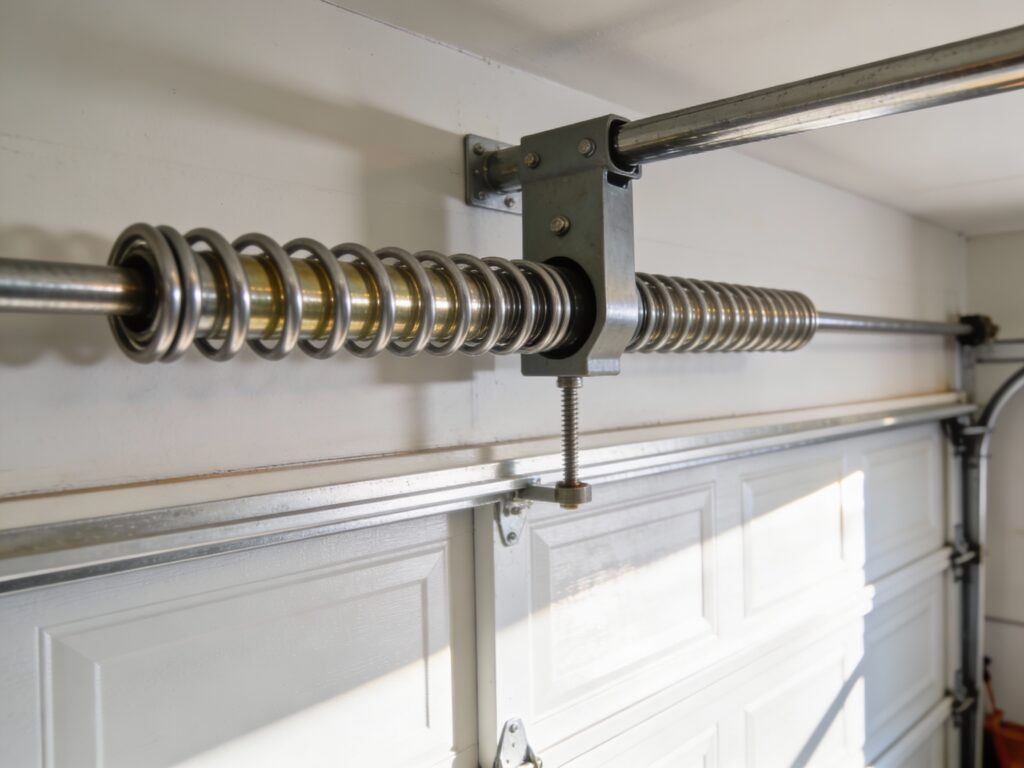
FAQ
What is the best lubricant for my springs?
The best lubricant is a silicone spray or white lithium grease. Avoid thick greases that attract dirt or standard WD-40 which is a solvent.
Can I open my door if the spring is broken?
It is not recommended. The door will be extremely heavy, effectively “dead weight.” Lifting it can cause back injury or further damage to the door panels and tracks.
Why did my spring break?
Most garage door springs break simply due to wear and tear (cycle count). Rust, poor maintenance, and improper installation can also accelerate failure.
Should I replace both springs if only one breaks?
Yes. Since both garage door springs were installed at the same time and have lifted the door the same number of times, the second one will likely break very soon after the first.
How do I know if I have torsion or extension springs?
Torsion garage door springs are on a bar above the door header. Extension springs run alongside the horizontal tracks on the ceiling on either side of the garage.
Are high-cycle springs worth the extra money?
Yes, especially if you use your garage door as the main entrance. They can last twice as long as standard springs, saving you money on future labor costs.
Conclusion
Your garage door is the largest moving object in your home, and the garage door springs are the components that make that movement possible. From understanding the difference between torsion and extension systems to knowing when to call a professional, being informed is your best defense against accidents and expensive repairs.
Regular maintenance, including lubrication and balance checks, will extend the life of your garage door springs significantly. While the DIY route offers cost savings, it comes with significant risks that should not be taken lightly. Whether you choose to fix it yourself or hire an expert, prioritizing quality parts and safety procedures will ensure your home remains secure and accessible. Remember, a well-maintained door relies entirely on healthy garage door springs, so give them the attention they deserve.
🚪 Other Resources
Explore these trusted sources to learn more about garage door springs, replacement options, and compatible parts:
Home Depot – Garage Door Springs – Wide selection of torsion and extension springs for residential garage doors.
Express Garage Door Parts – Specialized supplier offering high-quality garage door springs and hardware.
Amazon – Garage Door Spring Replacement – Popular replacement kits with customer reviews and fast shipping.
DDM Garage Doors – Garage Door Springs Guide – Detailed technical guide explaining spring types, sizing, and safety tips.